MichaelAngelo ABCROBINHOOD

Local Election: Burnaby Mayoral Candidates share positions on key Burnaby Heights issues
The Heights Merchants Association (HMA) sent all 41 Councillor candidates and all six Mayoral candidates seven questions to answer about their positions and intentions regarding issues facing our district. 29 of them replied. Click on their names below to learn more about how they plan to serve Hastings Street, and our nearly 400 merchants and thousands of shoppers who access our area every day.
Here are the replies received by the Mayoral Candidates. (To read the replies by Councillor Candidates, please click here.)
Please note: All candidate replies have been republished here, unedited, and exactly as submitted.
No information was submitted.
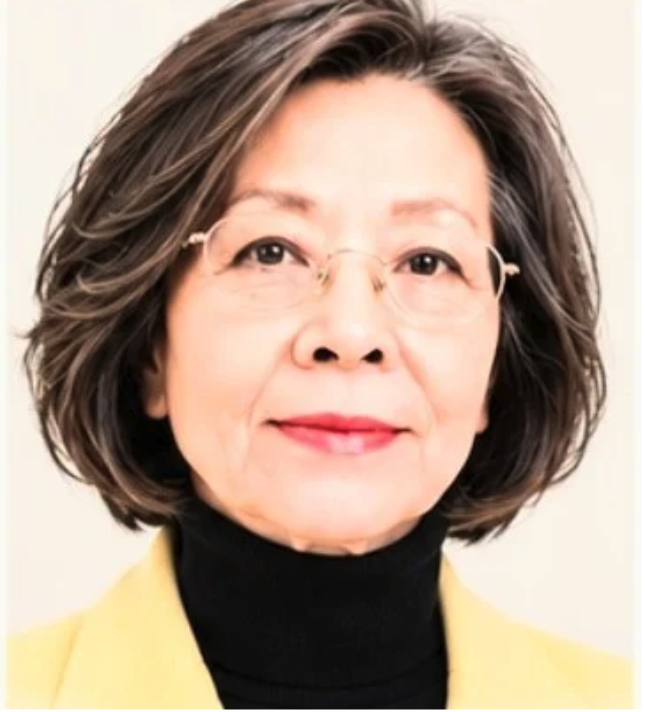
What part of Burnaby do you live in?
Deer Lake
Which political party (if any) do you represent, or are you an independent?
Independent
Can you summarize your general election platform?
My platform is centered on proactive economic development, sustainable growth, and direct support for local merchants. Twenty years ago during the Highgate Village development, I pioneered the “Economic Booming 1.0” vision—a model showing how targeted high-density development brings an influx of residents that keeps small, local businesses thriving.
If elected to be the Mayor of Burnaby, I hope to bring this forward-thinking vision to Burnaby Heights. The City has neglected to proactively expand strategic development into the Heights. My priority will be to create a comprehensive, strategic master plan for the Heights that balances smart growth, increases customer foot traffic, and provides our small business merchants with the long-term support and modernization they need to flourish.
What is your position on the BRT through Burnaby? Do you have a route preference? Do you support or oppose removing curbside parking in favour of all-day/every-day bus lanes? Will you listen to and respect local concerns regarding this topic when the time comes for Council to make a decision on the BRT route alignment and design?
As Mayor, my strategic master plan for Burnaby Heights redefines how we approach transit, parking, and high-density development. Under my concept, we solve the street parking issue by integrating multi-level parking directly within modern high-rise developments along the corridor. This eliminates the reliance on curbside street parking entirely while providing secure, accessible parking for both residents and shoppers.
By coordinating parking into mixed-use high-rise infrastructure, we free up Hastings Street from traffic congestion and surface parking disputes. This approach transforms the Heights into a walkable, transit-convenient hub where residents can save significantly on vehicle purchase, fuel, and maintenance costs. The result is cleaner air, better health, shorter traveling commutes, and an influx of local customers living right above and next to our small businesses to keep them thriving.
I will actively listen to and collaborate with the Heights Merchants Association and community members to ensure this transition protects local merchants and enhances the neighborhood’s economic vitality.
What is your position regarding commercial unit affordability, availability, and size? Do you have any specific plans or initiatives you’d like to explore to alleviate loss of small commercial spaces and the dominance of appointment-based businesses at street level (businesses that don’t depend on walk-by traffic) while Retail (businesses that do depend on walk-by traffic) gets pushed out?
My Economic Booming 2.0 vision will transform Burnaby Heights into a world-class, vibrant urban hub akin to Metrotown—bringing unprecedented economic opportunity, high foot traffic, and lasting prosperity to our local merchants.
A thriving retail environment depends directly on population density and customer volume. Under my plan, modern high-rise mixed-use developments will introduce thousands of new residents directly into the Heights corridor. This massive influx of daily foot traffic will ensure that ground-floor retail storefronts remain highly profitable and filled with active, walk-by businesses—such as boutique shops, cafes, bakeries, and restaurants—rather than quiet, appointment-only offices.
To protect small business affordability and variety, my administration will implement proactive municipal zoning policies requiring new high-density developments to include small-scale, flexible commercial footprints at street level. By expanding commercial inventory and building an active, transit-connected customer base right above the stores, we will keep commercial rents manageable, keep traditional retail alive, and put smiles on the faces of our merchants and residents alike.
What are your ideas on helping small businesses and streetfront merchants survive and thrive? How do you plan to help small local streetfront businesses conduct business in Burnaby more easily, pay fewer City fees, and help make commercial property tax more affordable for small businesses and urban villages?
Small, independent street front merchants are the lifeblood of Burnaby Heights. To help them survive and thrive, we must modernize our commercial building models and reduce municipal overhead. Under my Economic Booming 2.0 master plan, we will introduce multi-level “merchant hubs”—creating 2 to 4 floors of dedicated commercial and retail space inside new high-rise developments, operating much like a vertically integrated indoor-outdoor shopping center.
This multi-floor merchant hub model significantly expands total commercial floor space in the Heights, driving down lease rates through increased supply while giving smaller businesses affordable, highly accessible storefront options. By grouping multiple merchants together in a modern hub, businesses benefit from shared infrastructure, higher customer foot traffic, and protection from skyrocketing ground-floor rents.
To lower operating costs for our merchants, my administration will streamline City permitting processes, cut unnecessary municipal licensing and inspection fees, and review municipal tax burdens on small commercial units. By pairing lower municipal fees with an expanded, affordable commercial inventory in modern merchant hubs, we will make doing business in Burnaby simpler, more affordable, and vastly more profitable
What is your position or thoughts on social disorder? How do you plan to support streetfront businesses that are facing challenges and disruption from social disorder, drug addiction and mental health crisis, vandalism, shoplifting, and other problems? What are some ideas you have in mind to address this?
Social disorder, vandalism, and open drug use directly harm streetfront businesses and destroy community safety. My plan tackles this issue through targeted technology, concentrated community layout, and real rehabilitation pathways.
Under my Economic Booming 2.0 master plan, concentrating commercial hubs and residential density makes proactive community policing vastly more efficient. Smaller, defined commercial corridors allow police patrols to cover high-activity areas quickly and respond to incidents instantly. Furthermore, my administration will support integrating advanced AI technology for municipal law enforcement and business security networks—enabling automated, real-time suspect identification and tracking so officers can catch criminals swiftly without putting their lives or the public in harm’s way.
To permanently address the root causes of drug addiction and street chaos, we must keep illicit drugs out of our commercial districts while offering individuals a path toward true independence. I advocate for comprehensive skills-training programs and rehabilitation initiatives that empower individuals with vocational tools to earn a living on their own, lifting their living standards and restoring safety and dignity to Burnaby Heights.
Our BIA would like to bring more fun, attractions, and placemaking to our local district. If elected, would you encourage the City to work with BIAs to create more activities and points of interest for locals and visitors to enjoy?
Absolutely—it is a terrific idea! Placemaking, vibrant events, and cultural attractions are essential to building a thriving community and driving visitors directly to our local merchants. As Mayor, I will fully encourage and empower City Hall to work hand-in-hand with the Heights Merchants Association to bring exciting new opportunities to Burnaby Heights.
Under my master plan, we will incorporate multi-purpose outdoor public spaces as well as large indoor event venues—ranging from gymnasium-sized halls to modern exhibition facilities. These spaces will be designed to host everything from trade exhibitions, local craft markets, and concerts to international tournaments and regional competitions year-round.
By building flexible, high-capacity event infrastructure right in the Heights, we will create a constant stream of visitors and foot traffic for our restaurants, cafes, and retail shops. I look forward to sitting down with our merchants and BIA leaders so we can plan these exciting projects together for tomorrow.
What is your collaboration and communication style? If elected, how do you plan to work across political differences with businesses, citizens, and even other elected officials, to solve problems together with communities?
My approach to leadership is grounded in mutual respect, active listening, and a commitment to maintaining a harmonious, productive society. Regardless of political, personal, or ideological background, my rule of thumb is simple: listen genuinely and show unwavering respect without causing offense or division.
As Mayor, I recognize that City Council and local business communities are made up of diverse voices and differing perspectives. True municipal progress happens when we set political partisanship aside to focus on practical, real-world solutions. I lead with an open door and an open mind, ensuring that merchants, residents, and fellow elected officials feel heard, valued, and respected in every decision-making process.
I am committed to working directly with the Heights Merchants Association, local business owners, and community members in a spirit of constructive, positive collaboration. By focusing on shared economic and social goals—rather than political divides—we can build a prosperous, safe, and united Burnaby together.
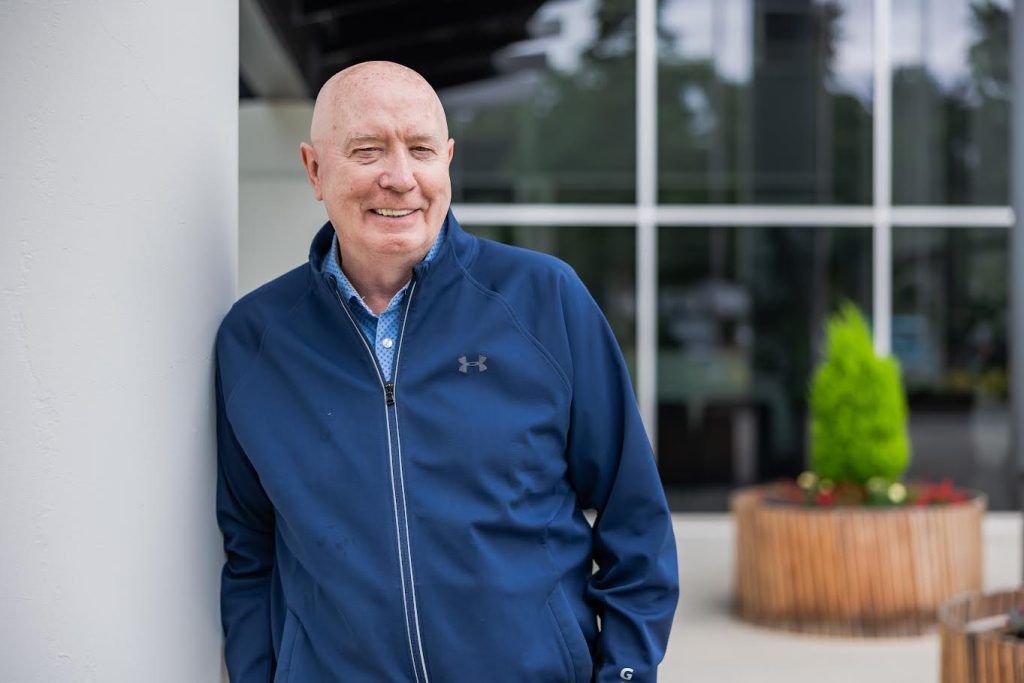
What part of Burnaby do you live in?
East Burnaby
Which political party (if any) do you represent, or are you an independent?
Independent
Can you summarize your general election platform?
I believe in a Burnaby that works for everyone: a city that is caring, innovative and fiscally responsible.
I got into politics because I couldn’t stand to see long-time Burnaby residents demovicted from their homes. That conviction still drives my work. A city should care for its residents and provide the services and amenities that let them lead safe, productive and happy lives. It should run efficiently, attract good jobs and manage every tax dollar responsibly.
Over the next four years, I will build on that foundation:
Housing. Build 1,000 new affordable rental homes through the Burnaby Housing Authority, including family-oriented townhomes. Speed up permitting and keep development cost charges down so homes get built faster and at lower cost. I will keep pressing the Province to return zoning decisions to municipalities and repeal Bills 25, 44 and 47.
Community investment. Finish delivering the Burnaby Lake Recreation Centre, the Cameron Community Centre and Library, and the Brentwood Community Centre. Keep upgrading parks and playgrounds through Park Pulse. Work with TransLink to add north-south bus routes, and press the Province to get Phase 2 of the Burnaby Hospital redevelopment back on track.
Public safety. Complete the expansion of the Burnaby RCMP detachment to recruit and retain officers. Extend the wildfire early-warning system to Central Park and Robert Burnaby Park. Relocate the Buller Avenue temporary shelter when its lease ends in 2028, build Buller Beresford Park in its place, and run a city-wide emergency planning exercise.
Fiscal responsibility. Keep property taxes at or below the regional average and keep Burnaby one of the few large cities in B.C. with zero debt.
Jobs and innovation. Create the Burnaby Innovation District, cut permitting times and costs for small businesses, attract job-creating companies and film production, and continue our Civic Innovation Lab partnership with SFU.
Arts and culture. Complete the new performance venue at the Shadbolt Centre, provide $250,000 a year for community arts and cultural events, and make Burnaby the sports competition capital of Canada.
We will do this work in partnership with the Host Nations and urban Indigenous communities. Burnaby is strong, debt-free and moving forward. I’m asking for four more years to keep it that way.
See more of my platform here: www.mikehurley.ca/platform
What is your position on the BRT through Burnaby? Do you have a route preference? Do you support or oppose removing curbside parking in favour of all-day/every-day bus lanes? Will you listen to and respect local concerns regarding this topic when the time comes for Council to make a decision on the BRT route alignment and design?
Burnaby needs better north-south transit, and Burnaby Heights needs a main street that works for its merchants. I don’t believe we have to choose between the two.
TransLink’s extension of the R2 RapidBus serves the Heights with 60-foot buses every six to seven minutes at peak and a one-seat ride from Park Royal to Metrotown, with no new bus lanes in Burnaby.
When TransLink proposed all-day curbside bus lanes on Hastings from Willingdon to Duthie, Council heard the concerns of Heights merchants. Council removed the bus lanes from the stretch serving the Heights retail district to protect curbside parking. It directed staff and TransLink to explore bus bulbs there instead, and asked for more detailed consultation before anything returns to Council.
The long-term rapid transit connection between Burnaby and the North Shore is still being studied, including the route, the technology and the design. When that decision comes to Council, I will weigh it on two things: fast, reliable service for Burnaby residents, and a strong future for the local businesses that make the Heights one of our city’s great neighbourhoods.
Listening to the Heights has been part of this from the start, and I hope the HMA and its members have felt heard along the way. That won’t change. When this decision comes to Council, your voices will be at the table.
What is your position regarding commercial unit affordability, availability, and size? Do you have any specific plans or initiatives you’d like to explore to alleviate loss of small commercial spaces and the dominance of appointment-based businesses at street level (businesses that don’t depend on walk-by traffic) while Retail (businesses that do depend on walk-by traffic) gets pushed out?
Small, independent retailers are what make main streets like Hastings work. They give a neighbourhood its character, and they rely on foot traffic, visibility and space they can afford.
My focus has been on making it easier to open and run a small business in Burnaby. My platform commits to further reducing permitting times for small businesses by cutting red tape and building on the productivity tools the City successfully piloted through its Development Approvals Process Program. It also commits to streamlining the set-up process for businesses moving to the city.
In 2025, Council adopted a new height-based zoning framework that brought in new residential and commercial zoning districts across Burnaby. That framework will shape what gets built along our commercial streets for years to come.
The HMA knows its street better than anyone. I welcome your input on what’s working at street level and what isn’t, and I look forward to continuing that conversation.
What are your ideas on helping small businesses and streetfront merchants survive and thrive? How do you plan to help small local streetfront businesses conduct business in Burnaby more easily, pay fewer City fees, and help make commercial property tax more affordable for small businesses and urban villages?
Small businesses are the heart of our neighbourhoods, and streetfront merchants give places like the Heights their character. My job is to make it easierfor them to open, operate and grow in Burnaby.
Doing business more easily. My platform commits to further reducing permitting times and costs for small businesses by cutting red tape and building on the productivity tools the City successfully piloted through its Development Approvals Process Program. We will also streamline the set-up process for businesses moving to Burnaby.
Keeping costs down. I am committed to keeping property taxes at or below the regional annual average and to keeping Burnaby one of the few large cities in B.C. with zero debt. A debt-free city means no debt payments passed on to taxpayers, including small businesses.
Fair property taxation. Much of how commercial property is assessed is set by the Province. Burnaby has pressed the Province to review its property assessment and taxation system, raising the impact on small businesses directly. I will keep making that case, and continue standing up for Burnaby.
Our small businesses employ our neighbours and keep our streets lively. I look forward to continuing to work with the HMA to help them thrive.
What is your position or thoughts on social disorder? How do you plan to support streetfront businesses that are facing challenges and disruption from social disorder, drug addiction and mental health crisis, vandalism, shoplifting, and other problems? What are some ideas you have in mind to address this?
Everyone deserves to feel safe, whether they’re running a business, shopping on Hastings, or walking home at night. When a merchant is dealing with vandalism, theft or someone in crisis at their door, it affects their livelihood and their staff. I don’t take that lightly.
Our first priority is making sure police are there when you need them. We’re committed to improving the recruitment and retention of police officers by completing the expansion of the Burnaby RCMP detachment.
We also know that many of the calls police respond to involve someone in a mental health or addiction crisis. In 2023, Burnaby launched a Mobile Integrated Crisis Response program that pairs RCMP officers with Fraser Health mental health nurses, so people in crisis get the right help and officers can get back on the street. As I said when it launched, everyone deserves to be treated with care and compassion.
Mental health and addiction care are the Province’s responsibility, and Burnaby will keep pressing for the treatment and supports our community needs.
The HMA and its members see what’s happening on the street every day. I want to keep hearing from you about where the pressure is greatest, so we can keep working together on solutions that make the Heights safe for everyone.
Our BIA would like to bring more fun, attractions, and placemaking to our local district. If elected, would you encourage the City to work with BIAs to create more activities and points of interest for locals and visitors to enjoy?
Yes. Some of Burnaby’s best-loved traditions happen on the Heights, and the HMA is a big part of why. Hats Off Day brings our whole community together on Hastings Street, and events like it are what make a neighbourhood feel like home.
The City has been proud to support that work. In 2024, the City awarded Festival Burnaby grants to 13 non-profit festivals, and Hats Off Day was one of them.
We want to build on that. Our platform commits $250,000 in annual funding to support arts and cultural events in the community, and to keep upgrading parks and playgrounds through the Park Pulse program.
The HMA knows best what would bring more people to the Heights and give them reasons to stay. I’d be glad to see the City keep working alongside you on it, and I look forward to hearing your ideas.
What is your collaboration and communication style? If elected, how do you plan to work across political differences with businesses, citizens, and even other elected officials, to solve problems together with communities?
I’ve always believed it takes a lot of teamwork and collaboration to get things done. Nobody has all the answers, and the best solutions come from people who don’t always agree sitting down and working through it together.
When I was first elected in 2018, I was an independent Mayor, and seven of our eight council seats were held by members of another civic party. From the start, getting anything done meant finding common ground. I’ve tried to lead that way ever since. When the Hastings bus lanes came to Council, we listened to the Heights and to transit riders, found a balanced solution, and passed it unanimously.
That approach carries beyond Burnaby. Since July 2024, I’ve served as Chair of the Metro Vancouver Board, where mayors and councillors from across the region, with very different views, work together on shared services.
With our business community, I chaired the Mayor’s Task Force on Burnaby Economic Growth and Resilience. It brought 15 local business and community leaders together to recommend practical, community-driven steps for Burnaby’s economy. Their final report made 17 recommendations, and the City is already acting on them.
My door is always open. I’d welcome the chance to keep working with the HMA, and I’m grateful for the partnership we’ve built.
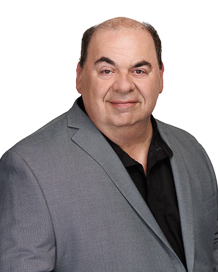
What part of Burnaby do you live in?
South Burnaby / Metrotown.
Which political party (if any) do you represent, or are you an independent?
Independent powered by My Big Fat Greek Wedding: Family, Community, Hard work and Windex.
Can you summarize your general election platform?
Announcements are not accomplishments. Debt free is not waste free. I’m not running to manage the status quo. After eight years, ask: Are you better off? Is congestion less? Housing more affordable? Is City Hall more efficient? Were Burnaby Heights merchants consulted over parking by TransLink? Victoria makes provincial decisions. City Hall affects what happens on your street. Look outside your front door, What do you see? Traffic, Construction. Parks. Roads. Safety. Permits. Infrastructure. Property taxes – 7% annually through 2030 – is that low? Can seniors and businesses afford to stay? Burnaby once had a large bucket of money. Who’s going to refill it? Think about your household budget. One small expense might not matter. But when you keep adding expenses, eventually you look at the bank account and say ” Wait a minute – where did all the money go?.” What happened at North shore wastewater plant? Mayor was on Metro Vancouver for 8 years. Confederation park? Cancelled and $15 million gone. My focus is on transportation that works for everyone. Respect every tax dollar. Listen to every voice. City Hall is more than recreational centres that are completed in 2027 and 2028 – then what’s the vision as we head into an era of AI? Don’t let two elections blur into one. On Oct. 17th, ask a simple question: What has City Hall delivered for my tax dollars and what will the next mayor actually measure and improve? When you’re voting for mayor, look out your front door. Property taxes, roads, parks, policing and fire services, permits, development, local infrastructure, traffic, waste and day to day operation of Burnaby – all council responsibilities. Announcements are not accomplishments. Awards are recognition. Results are what residents actually experience. Great restaurants along Hastings St. City boasts about getting an award for improving permit response time by 85% is a bit like a restaurant winning an award because it started seeing customers faster. Great – but isn’t that the job? My platform is built around one principle: put people first, listen first, then act, measure and report. Vistion 2030 – zero deaths and serious injuries through better data, technology, infrastructure and faster responses to identified problem areas. I’m running to bring a different management culture to City Hall and make Burnaby where everyone can live, work, move, raise a family and build a future. For me, this is about service to the community. Your vote is your voice. After eight years, ask: Are you better off? If no, you have your reason to vote.
What is your position on the BRT through Burnaby? Do you have a route preference? Do you support or oppose removing curbside parking in favour of all-day/every-day bus lanes? Will you listen to and respect local concerns regarding this topic when the time comes for Council to make a decision on the BRT route alignment and design?
Announcements are not accomplishments. Results are. People must come first. A city is not just a map of roads, routes and parking spaces; it is a living community made up of residents, workers, merchants, customers, families and people with different needs. My family doctor’s climic is on Hastings St. Before we redraw a street, we need to understand how that change will affect the neighbourhood and people who rely on it everyday. My preference is the Boundary Road / Lougheed option., because I believe it can provide rapid transit while better protecting the character and economic function of established commercial streets that need more two level commercial space, not less. I want the full evidence: actual time savings, ridership, traffic impacts, parking loss, business impacts, safety, construction cost, and long term operating costs. We should not remove valuable parking or disrupt a business district simply to save 59 seconds without understanding the complete trade off. Most importantly, I will listen to Burnaby residents before Council makes its decision. Listening is not delay; it is responsible decision making. Businesses need to be heard before decisions are made – not after the parking is gone. Don’t lead with ideology, lead with evidence. Better transit should improve Burnaby without unnecessary damaging the people and businesses it is supposed to serve. Burnaby mayor isn’t about ribbon cutting and making announcements – it’s about running the race and showing the results and full costs, including operational costs and results. City Hall needs a CEO culture: listen first, act, measure and report. Debt free is not waste free. Your vote is your voice.
What is your position regarding commercial unit affordability, availability, and size? Do you have any specific plans or initiatives you’d like to explore to alleviate loss of small commercial spaces and the dominance of appointment-based businesses at street level (businesses that don’t depend on walk-by traffic) while Retail (businesses that do depend on walk-by traffic) gets pushed out?
Announcements are not accomplishments. Results are. My position is simple: Burnaby needs a result culture and pro business outlook. More commercial space that works for businesses, not just buildings that look good on paper. We need to protect diversity of our street level economy – especially small retailers hit by tariffs and businesses that depend on walk by traffic. I would use a listen first approach, evidence based approach, not ideology, map commercial vacancies, rents, units sizes and business turnover, then identify where small businesses are being displaced and why. On government land, provide a lease to own option. I would bring SFU + industry + the SFU Supercomputer + the City together to analyze demand – a data driven approach and use analytics. Without data, you’re leading blind. Look at pedestrian patterns, commercial rents and emerging industries. The goal is to turn data into decision – not announcements. I would explore smaller flexible developments , including opportunities for shared or incubator space, so the market is not dominated by large units or appointment- based businesses that don’t generate regular street traffic. I would also create a two level commercial strategy: keep vibrant, walkable retail and services at street level while using upper floors for professional services, research, technology, startups and corporate offices. That creates a pipeline: SFU research to jobs while keeping neighbourhoods active at street level. And I would measure the results: vacancy rates, small businesses retention, commercial rents, diversity of businesses , jobs created and street level activity. My father was a barber for 50 years in Burnaby. Listen first, respect every tax dollar and respect every view point. As CEO / Mayor of Burnaby my principle is: don’t simply approve more commercial space – make sure we are creating the right space, for the right businesses, heading into an AI era, in the right spaces, with a lease to own option, and measure whether it works. Debt free is not waste free. Your vote is your voice. After 8 years, ask: Are you better off?
What are your ideas on helping small businesses and streetfront merchants survive and thrive? How do you plan to help small local streetfront businesses conduct business in Burnaby more easily, pay fewer City fees, and help make commercial property tax more affordable for small businesses and urban villages?
Debt free is not waste free. City Hall has a culture and bucket problem. Who will refill it once empty. My approach is simple: change the culture at City Hall from ” How do we process this? ” to ” How do we help this business succeed?”. One point of contact with priority pathway for permits with clear standards. Make it easier to do business, not harder. Streamline approvals, create priority pathways, reduce unnecessary fees and review taxes with a small business lens. My father was a small business owner for 50 years. I’d protect affordable street front space, work with landlords and developers, and connect SFU, the supercomputer and industry to local entrepreneurs. I’d also develop a tariff- impact strategy to diversity markets and customers, while attracting more hotels, visitors, events and activities. Build the infrastructure first, remove barriers, attract investment and measure results – so our urban villages and small businesses can thrive. After eight years, it’s time for renewal. Your vote is your voice.
What is your position or thoughts on social disorder? How do you plan to support streetfront businesses that are facing challenges and disruption from social disorder, drug addiction and mental health crisis, vandalism, shoplifting, and other problems? What are some ideas you have in mind to address this?
As a former school principal and COO of BC Diabetes, and the son of a small business owner who served Burnaby for 50 years, I see this through both a community and business lens. I also served as a director of the Edmonds Business and Community Association. Street front businesses need to feel sate and supported. I would implement same day graffiti removal, strengthen coordination among businesses, police and outreach teams, and address vandalism and shoplifting while keeping public spaces welcoming. Burnaby Heights does a great job and we want to continue to support their efforts. For people struggling with addiction or mental health challenge, I would develop an Individual Stability Plan – likeI did with students – one point contact to coordinate, connecting each person to housing, treatment, health and employment supports, with follow up and measurable outcomes. Listen first, act quickly and measure results – because small businesses shouldn’t have to absorb the cost of social disorder. I’d add, moving construction to night time, to reduce disruption, putting people first, not profit. Debt free is not waste free. City Hall has lost tough with its community and its time for a change to align back to our priorities and values. Respect every tax dollar. Listen to every voice. Your vote is your voice.
Our BIA would like to bring more fun, attractions, and placemaking to our local district. If elected, would you encourage the City to work with BIAs to create more activities and points of interest for locals and visitors to enjoy?
Absolutely. As a former director of the Edmonds Business and Community Association, where I helped create the Edmonds City Fair and Car Show, I’ve seen firsthand how activities bring people into local businesses. My father also served the community as a small business over for 50 years. I would listen first and work with BIAs and businesses to create more events, attractions and points of interest that bring residents and visitors into our urban villages. When people come off the activity, local businesses benefit. I like to see a stronger relationship with SFU city and students, with bus connections between our communities during events . Bring people in, make it easy to get there, and local business benefit too. Win win win. Vision 2030 – Together, We All Thrive. Visit my website: billpetrovas.ca or Facebook page: Bill Petrovas for Mayor or LinkedIn page: Bill Petrovas.
What is your collaboration and communication style? If elected, how do you plan to work across political differences with businesses, citizens, and even other elected officials, to solve problems together with communities?
As your heard over and over, announcements are not accomplishments. Debt free is not waste free. We need to change the culture at city hall. My collaboration comes from family, team and leadership. I’m Greek, so hard work, family ad community are in my DNA – think My Big Fat Greek Wedding, but with a City Hall agenda, and a little Windex for those complicated problems. I also believe in bringing in the right expertise when situations are complicated, but that kind of help is built on trust and relationships. I’ll work to earn trust and it would be a privilege to serve the City of Burnaby as Mayor. I have three degrees and attended the Wharton School of Business Executive Program, where I studied critical thinking and strategic partnerships. Throughout my career, I’ve focused on understanding different perspectives, building durable relationships and turning competing priorities into practical solutions. My peers voted me the best negotiator because I pursue win – win outcomes-solutions that respect different interests while moving everyone forward. That is the kind of leadership Burnaby needs heading into an AI era: collaborative, decisive and focused on getting results. Announcements are not accomplishments, Results are.
My father’s barbershop was more than a barbershop – it was a place where people came to talk. He taught me a lesson that has guided me career: listen first and respect every view point. As mayor, I will bring that same approach to residents, businesses, community organizations, staff and regional partners. Rugby gave me my PhD in teamwork. As a school Principal and healthcare COO, I learned that diverse perspectives strengthen teams when leaders build trust, find common ground and move forward together. Collaboration does not mean avoiding accountability. It means listing to those affected, seeking expert advice and being claar about costs, timelines and results. Residents need to know the costs including operational costs before paying the bill. That’s respecting every tax dollar means. The Metro Vancouver wastewater experience shows why taxpayers deserve transparency, accountability and total costs upfront – because they ultimately path the bill. Mayor was on Metro Vancouver Board for eight ears, the last two as chair. What questions did he ask? After eight years, ask: Are you. better off? If no, you have your reason to vote for change.
My philospophy is simple: listen first, build trust, bring people together, pursue win-win solutions, fight for Burnaby, one paycheque, know the total cost, measure results and hold people accountable. The Metro Vancouver Board fired the CAO – did they go far enough? That is how I lead – and why I’m ready to lead Burnaby. Burnaby needs a CEO, not another manager. “Running simply to ” finish the job” isn’t enough. First what job? Projects have a beginning and an end., both finished by 2028. If finished, then what? A CEO’s job isn’t to complete yesterday’s projects – it’s to define what comes next. Burnaby needs a clear Vision 2030. I’m not running to finish yesterday’s agenda. I’m running to build what comes next. Being Mayor is a privilege to serve, not a career. After eight years, ask: are you better off today than you were eight years ago? I’m asking for your vote.
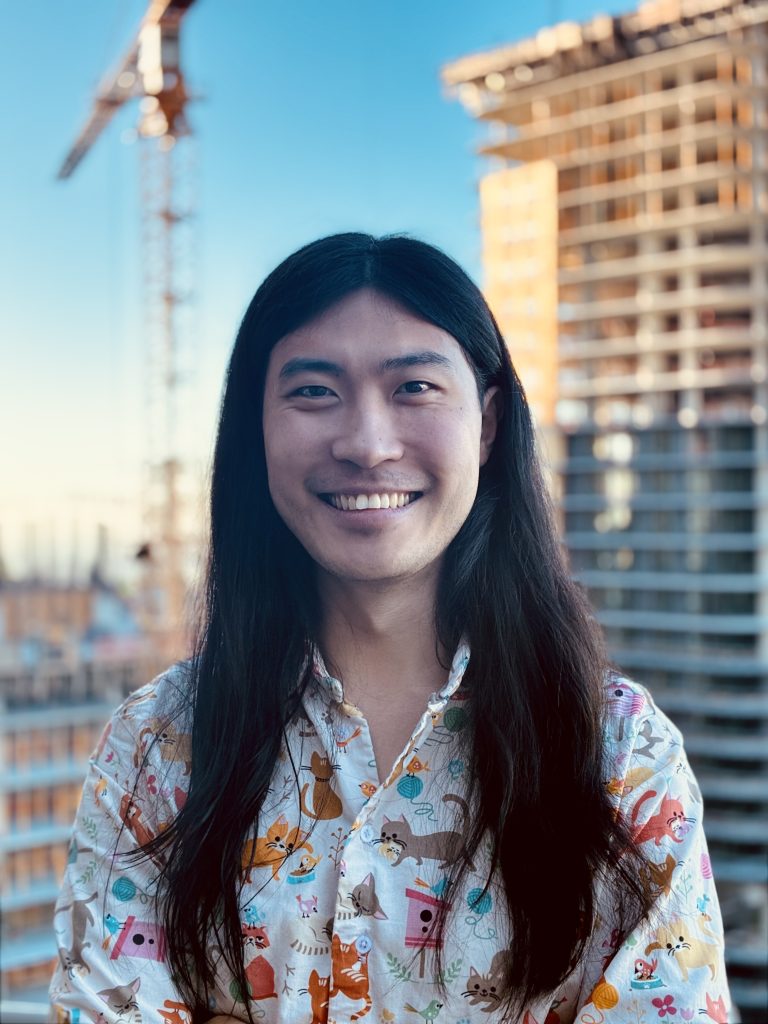
What part of Burnaby do you live in?
Metrotown
Which political party (if any) do you represent, or are you an independent?
Independent
Can you summarize your general election platform?
Housing – there are too many barriers to building housing in our city, which drives up the costs for everyone. I will work to streamline the permitting and rezoning processes so that we can build more medium density missing-middle housing, as well as provide options for more mixed-use developments that integrate residential and commercial spaces, to create vibrant neighbourhoods.
Transportation – we all pay for our streets, but most of it goes to private vehicles. I’ll take back space from cars to build wider sidewalks, bike routes, and transit priority lanes to make our streets nicer for everyone and offer alternatives to driving. Not only will this make it easier for people who walk, bike, or transit to get around, it also reduces traffic on our roads for those who still need to drive.
Taxation – Burnaby has some of the lowest taxes in the country, less than 1/3 of the Canadian average. We need to make the wealthiest among us pay their fair share of the property tax burden, so that we can take the pressure off low and middle income residents as well as new housing developments.
What is your position on the BRT through Burnaby? Do you have a route preference? Do you support or oppose removing curbside parking in favour of all-day/every-day bus lanes? Will you listen to and respect local concerns regarding this topic when the time comes for Council to make a decision on the BRT route alignment and design?
We need to listen to the voices of all residents, not just the loudest ones. Most Burnaby residents are in favour of TransLink’s proposal to add all-day transit priority lanes along Hastings Street to enable BRT through the area, as it is the most efficient route which serves the most residents and businesses.
While I understand the concern around removal of parking in front of businesses, as we’ve seen in other parts of the city a transit corridor brings much more foot traffic and shoppers to an area, far outweighing the loss from the 1 or 2 parking spots in front of each business.
Not only is the alignment via Burnaby Heights the best to keep the city moving, it’s also in the best interests of the BIA for allowing businesses in the area to grow.
What is your position regarding commercial unit affordability, availability, and size? Do you have any specific plans or initiatives you’d like to explore to alleviate loss of small commercial spaces and the dominance of appointment-based businesses at street level (businesses that don’t depend on walk-by traffic) while Retail (businesses that do depend on walk-by traffic) gets pushed out?
My housing policies to enable more mixed-use zoning will create more commercial units across the city, and even better, they will be integrated into areas where residents have easy access to them, right on their own streets. This will make commercial rents more affordable while creating more desirable storefront locations.
What are your ideas on helping small businesses and streetfront merchants survive and thrive? How do you plan to help small local streetfront businesses conduct business in Burnaby more easily, pay fewer City fees, and help make commercial property tax more affordable for small businesses and urban villages?
My housing and taxation policies will reduce the costs of housing for most families and individuals in this city, which currently make up a huge portion of their take home pay. This will help local businesses thrive as we increase disposable income.
My transportation policies will also help businesses get more bang for their buck for the fees they pay by bringing more traffic on foot, bike, or transit, who are more likely to stop and shop compared to people driving directly to their destinations in their own cars.
What is your position or thoughts on social disorder? How do you plan to support streetfront businesses that are facing challenges and disruption from social disorder, drug addiction and mental health crisis, vandalism, shoplifting, and other problems? What are some ideas you have in mind to address this?
People don’t end up on the streets overnight. My policies will get more affordable housing built to reduce poverty and homelessness in the long term.
As a more immediate solution, I will work on rehabilitation and reintegration programs for the long-term homeless population. Not only is this a more humane approach, it has also proven to be more cost-effective than simply addressing the symptoms and fallout that chronic homelessness and drug use causes.
I will also make our public spaces and sidewalks better lit and more welcoming for everyone, to push out antisocial behaviour.
Our BIA would like to bring more fun, attractions, and placemaking to our local district. If elected, would you encourage the City to work with BIAs to create more activities and points of interest for locals and visitors to enjoy?
Yes, Burnaby’s public events such as Hats Off Day, Central StreetFest, and various Car Free Days have been attracting record crowds year after year. As neighbouring municipalities pull back on funding for these types of events, we have an opportunity to step up to the plate and capture the increased demand and bring people into the city.
Also, I will work with neighbourhood associations including the BIA to streamline the process and provide support for hosting smaller-scale block parties so that locals have more opportunities to mingle with their neighbours.
What is your collaboration and communication style? If elected, how do you plan to work across political differences with businesses, citizens, and even other elected officials, to solve problems together with communities?
I like to talk to people directly and hear the problems they are facing. It’s important to understand each individual’s perspective and drive a consensus based on what benefits the most people.
However, I think it’s also vital that we don’t let the loudest voices drown out the rest. There is historically low interest in municipal politics and there is a strong bias towards certain demographics. We must not ignore the needs of large numbers of our residents just because they are not the ones taking up the spotlight at public meetings.
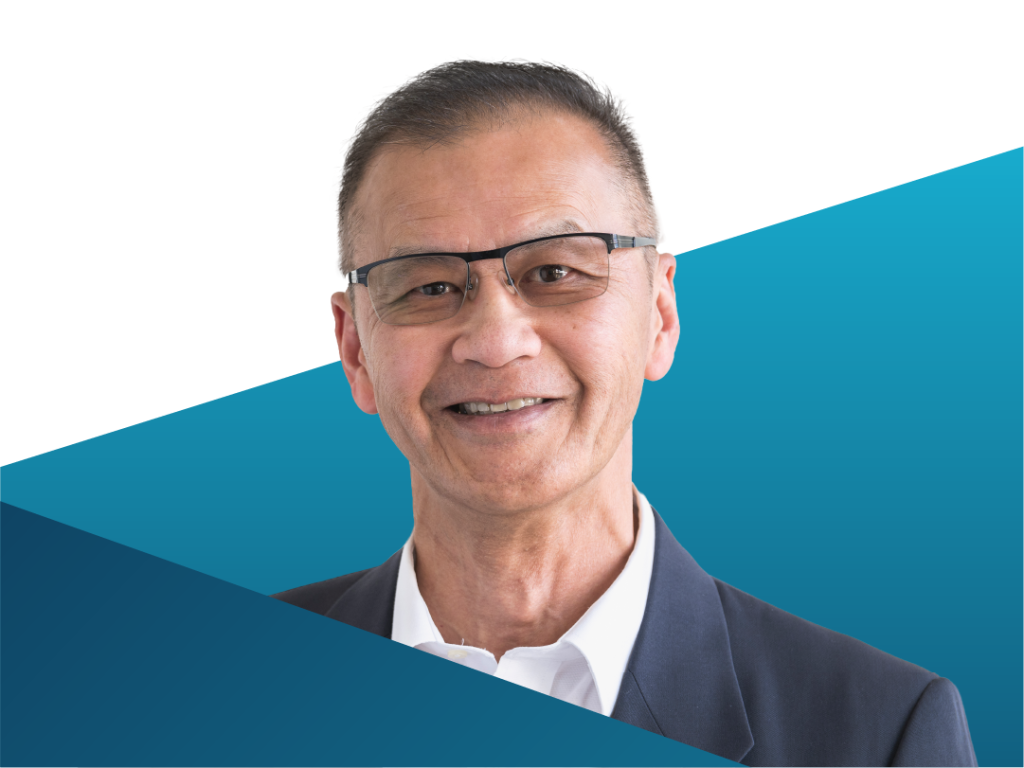
What part of Burnaby do you live in?
Central
Which political party (if any) do you represent, or are you an independent?
Burnaby First
Can you summarize your general election platform?
Financial Accountability, No Drugs in Supportive Housing, Transparency & Engagement, Public Safety, Protecting Our Parks and Green Spaces, Stop the construction of the current sized Monster Homes
What is your position on the BRT through Burnaby? Do you have a route preference? Do you support or oppose removing curbside parking in favour of all-day/every-day bus lanes? Will you listen to and respect local concerns regarding this topic when the time comes for Council to make a decision on the BRT route alignment and design?
My answer may be biased because I shop at the Heights and try to find parking on Hastings first before resorting to the city owned parking lots on Pender Street. So to have the BRT take away one lane each of the East and West bound lane would be detrimental to seniors in particular who park their cars for convenience and for any disabilities they may have. It is already a big problem for the residents that use Life Labs that cannot even find a Handicapped parking stall on Hastings.
What is your position regarding commercial unit affordability, availability, and size? Do you have any specific plans or initiatives you’d like to explore to alleviate loss of small commercial spaces and the dominance of appointment-based businesses at street level (businesses that don’t depend on walk-by traffic) while Retail (businesses that do depend on walk-by traffic) gets pushed out?
The challenge is the properties that are being leased out to dentists or nail salons are privately owned so the City does not have a say who should be a tenant. I could suggest that if the City participated in creating a Street of Murals, that will draw tourist to the area then businesses may be revitalized.
What are your ideas on helping small businesses and streetfront merchants survive and thrive? How do you plan to help small local streetfront businesses conduct business in Burnaby more easily, pay fewer City fees, and help make commercial property tax more affordable for small businesses and urban villages?
I would look into why commercial business continue to pay for school taxes which used to be borne only by the residential homeowners. I would explore a Tourism guide for the Heights to travelers and run promotions through social media posts touting the HMA.
What is your position or thoughts on social disorder? How do you plan to support streetfront businesses that are facing challenges and disruption from social disorder, drug addiction and mental health crisis, vandalism, shoplifting, and other problems? What are some ideas you have in mind to address this?
The City has not hired any new additional police officers in 8 years. We have a community police office on Hastings & Carlton and I would advocate to hiring more police members and to have them walk the beat on a regular basis. We also have an RCMP Bike Team Unit which can be just as effective in curbing crime. The City also has resources to By-Law Officers who can also perform a role as a deterent.
Our BIA would like to bring more fun, attractions, and placemaking to our local district. If elected, would you encourage the City to work with BIAs to create more activities and points of interest for locals and visitors to enjoy?
Yes, I would like to work with the HMA and to hear the ideas from the members.
What is your collaboration and communication style? If elected, how do you plan to work across political differences with businesses, citizens, and even other elected officials, to solve problems together with communities?
I have always been able to communicate with all members of Council no matter their political stripe. I have collaborated with owners and renters of a 206 units condo complex as a former strata council president and current member for almost 10 years. I was an owner operator/entrepreneur and would have no problem understanding their needs and their pain points.