
Akmal BAZAROV

Local Election: Burnaby Councillor Candidates share positions on key Burnaby Heights issues
The Heights Merchants Association (HMA) sent all 41 Councillor candidates and all six Mayoral candidates seven questions to answer about their positions and intentions regarding issues facing our district. 29 of them replied. Click on their names below to learn more about how they plan to serve Hastings Street, and our nearly 400 merchants and thousands of shoppers who access our area every day.
Here are the replies received by the Councillor Candidates. (To read the replies by Mayoral Candidates, please click here.)
Please note: All candidate replies have been republished here, unedited, and exactly as submitted.
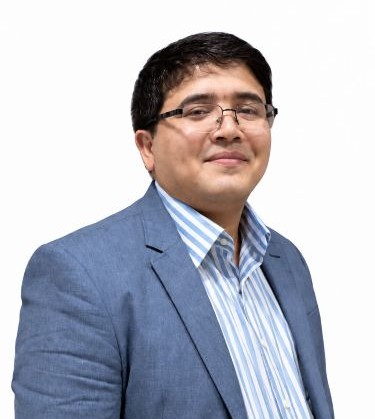
What part of Burnaby do you live in?
South Burnaby
Which political party (if any) do you represent, or are you an independent?
An Independent candidate
Can you summarize your general election platform?
My approach is practical and results-focused. I want Burnaby to grow, but growth needs proper planning and support. My priorities are responsible spending, better infrastructure, housing, transportation, a strong local economy, safer neighbourhoods, environmental protection and a more transparent City Hall.
I also hope that Burnaby will continue to be a place in which small businesses can succeed, since local shops, restaurants and service businesses are an important part of what gives our neighbourhoods their character and because they offer jobs that are close to where people live.
Because of my experience in the fields of contracts, procurement, financial operations, and project management, I can say that having good intentions is not sufficient; what is needed are clear plans, measurable results, and accountability regarding the use of public money.
What I am aiming for is not a choice between growth and existing neighbourhoods or between businesses and residents; rather, we need to develop practical methods of accommodating growth while at the same time preserving livability and maintaining a strong local economy.
What is your position on the BRT through Burnaby? Do you have a route preference? Do you support or oppose removing curbside parking in favour of all-day/every-day bus lanes? Will you listen to and respect local concerns regarding this topic when the time comes for Council to make a decision on the BRT route alignment and design?
I support better public transit and better connections across Burnaby. At the same time, I don’t think we should decide the future of Hastings Street by looking only at bus travel times.
Hastings is also a major commercial street, a neighbourhood destination and an important place for people who drive, walk, cycle, take transit and need accessible curbside access. Small businesses also depend on deliveries, customer pickup and short-term access.
I would therefore want the City to work closely with TransLink, the BIA, merchants, residents and accessibility advocates before approving a final alignment or street design. I would want to see the actual impacts on parking, loading, pedestrian safety, traffic, business access and transit reliability.
I would not commit to removing all curbside parking before those impacts are properly assessed. If dedicated transit priority is needed, I would look at a range of options, including time-of-day measures, signal priority, improved stops, loading zones and other designs that can improve transit without unnecessarily damaging the commercial function of Hastings.
My position is: improve transit, but don’t treat the street as a transportation corridor only. Hastings has to continue working as a community and a business district.
What is your position regarding commercial unit affordability, availability, and size? Do you have any specific plans or initiatives you’d like to explore to alleviate loss of small commercial spaces and the dominance of appointment-based businesses at street level (businesses that don’t depend on walk-by traffic) while Retail (businesses that do depend on walk-by traffic) gets pushed out?
I think Burnaby needs to pay more attention to the commercial side of development. Adding residential units without enough shops, services and employment space can create neighbourhoods where people live but have fewer places to work, shop and access services.
I would like to explore ways to encourage smaller and more flexible commercial units, particularly in new developments. Smaller units can lower the barrier for independent retailers, restaurants, professional services and entrepreneurs who cannot afford a large storefront.
I also support looking at the location of different types of businesses. Appointment-based businesses don’t always need the same street exposure as a café, grocery store, restaurant or retailer. Where appropriate, planning policies could encourage more active, walkable uses on the ground floor.
I would also work with BIAs and commercial property owners to understand where the biggest barriers are. The City should measure whether its policies are actually helping maintain diverse commercial districts rather than assuming that new commercial square footage automatically solves the problem.
The objective should be simple: more commercial choice, more small-business opportunities and more active neighbourhood streets.
What are your ideas on helping small businesses and streetfront merchants survive and thrive? How do you plan to help small local streetfront businesses conduct business in Burnaby more easily, pay fewer City fees, and help make commercial property tax more affordable for small businesses and urban villages?
Small businesses shouldn’t have to spend their time figuring out which City department, permit or fee applies to a simple business activity. One of my priorities would be making City processes easier to understand and navigate.
I would like to explore a “one-window” approach where businesses can get clear information about permits, fees, inspections and requirements instead of being passed between different departments.
I would also support a review of City fees that affect small streetfront businesses, particularly where fees are charged for activities that help activate public-facing commercial spaces. Any changes would have to consider the City’s costs, but we should regularly ask whether a fee is achieving its intended purpose.
On property taxes, the City cannot simply control the entire commercial tax bill because different levels of government and assessments are involved. But Council can examine its own tax policies, spending and economic-development tools and advocate to other governments where appropriate.
I would also strengthen the City’s working relationship with BIAs so that local business districts have a direct channel to raise problems and propose practical solutions.
What is your position or thoughts on social disorder? How do you plan to support streetfront businesses that are facing challenges and disruption from social disorder, drug addiction and mental health crisis, vandalism, shoplifting, and other problems? What are some ideas you have in mind to address this?
It is unreasonable to ask businesses to cope with problems that are beyond the capacity of any single shop owner; in cases where vandalism, theft, fires, public drug use, or other disorder continue to occur in a commercial area, the City should collaborate with the RCMP, health and social-service providers, and the businesses to arrive at a coordinated solution.
I would favour having better communication between businesses and the City so that recurring problems can be recognised and dealt with rather than being managed one incident at a time.
I also believe that prevention is important; better lighting, clean streets, active storefronts, suitable public-space design and regular patrols are all capable of helping to create a safer commercial environment.
At the same time, it is not possible to deal with addiction and mental-health problems merely by enforcing rules. Individuals who are suffering from severe addiction or mental-health issues require access to suitable treatment, housing and support services.
I would take a practical and balanced approach by protecting both businesses and the general public, enforcing the current laws, and addressing the fundamental issues which continually cause disorder to return to the same areas.
Our BIA would like to bring more fun, attractions, and placemaking to our local district. If elected, would you encourage the City to work with BIAs to create more activities and points of interest for locals and visitors to enjoy?
Absolutely. A successful commercial district needs more than storefronts. It needs reasons for people to come, stay longer and return.
I would support the City working with the Heights Merchants Association, local businesses, residents and community organizations on practical placemaking projects—seasonal events, cultural activities, public art, street decorations, food events, improved public spaces and activities for families and visitors.
I would also look for relatively low-cost projects that can make an immediate difference rather than assuming every improvement requires a major capital project.
The City could help by making event approvals easier, coordinating different departments, identifying suitable public spaces and working with BIAs on promotion and funding opportunities.
Burnaby Heights already has a strong identity. I would rather build on what is already working than create something artificial.
A good commercial street should be somewhere people go not only because they need something, but because they enjoy being there.
What is your collaboration and communication style? If elected, how do you plan to work across political differences with businesses, citizens, and even other elected officials, to solve problems together with communities?
My professional background has taught me that complex problems rarely get solved by one person or one department. They usually require different people with different interests to sit down together, understand the facts and find a workable solution.
That’s how I would approach Council.
I would listen to residents and businesses even when I don’t initially agree with them. I would also be prepared to change my position when better information becomes available.
I don’t believe every disagreement needs to become political. For example, on transportation, a resident may care about parking, a transit rider may care about reliability, a merchant may care about deliveries and an accessibility advocate may care about safe access. All of those concerns are legitimate and need to be considered together.
My approach would be to establish the facts, identify what is within the City’s authority, understand the costs and trade-offs, consult the people affected and then make a decision transparently.
I want businesses and residents to know that they can reach me, get a response and understand how I arrived at a decision—even when the final decision isn’t exactly what they hoped for.
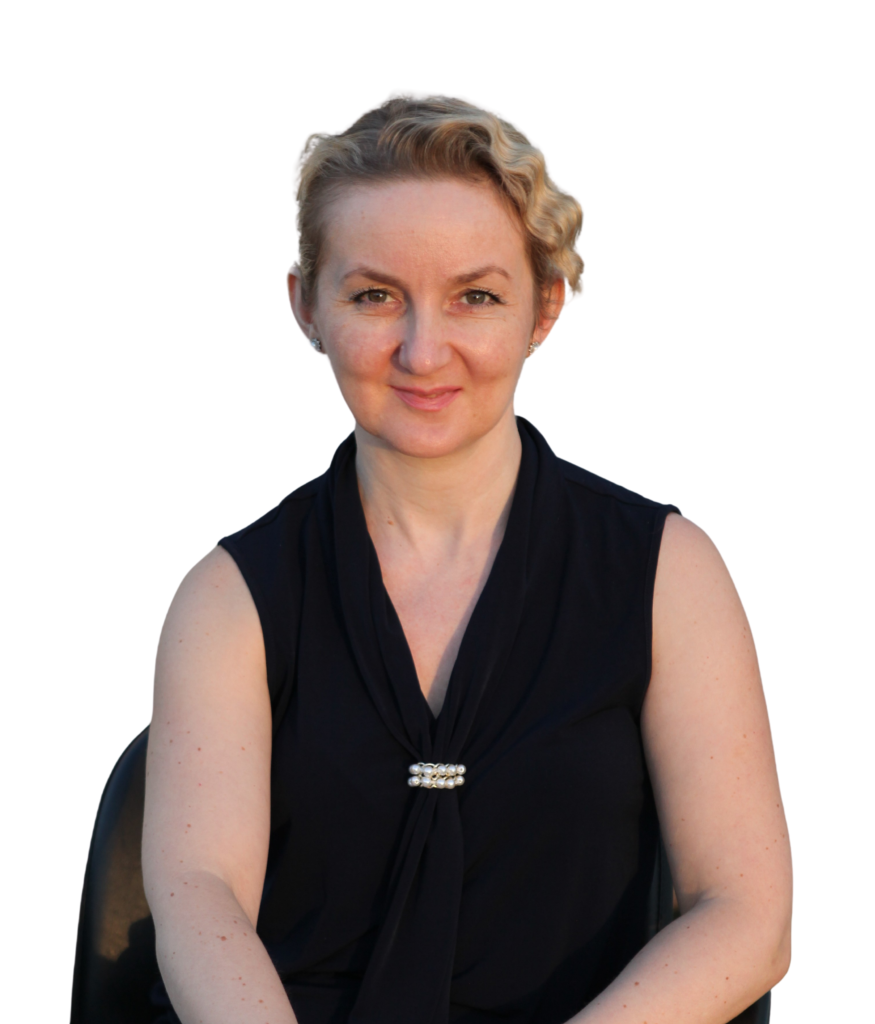
What part of Burnaby do you live in?
South Burnaby, Metrotown Area
Which political party (if any) do you represent, or are you an independent?
Independent
Can you summarize your general election platform?
I am running as an independent, and I bring something rare to this: I am a small-business owner, and I am disabled myself, so I experience our streets and shops from the inside every single day. My platform is simple — a Burnaby that works for the people actually using it.
I know what a step at the door, lost parking, or an unsafe street costs a merchant: it is customers walking away. I believe in better transit, but not at the price of the curbside access and walkable character your shops depend on — balance, as you put it, so no one is shut out.
I would push for more small commercial units, so rents ease and local operators can survive. And I would work with the City and the RCMP to take the weight of vandalism and disorder off merchants who cannot carry it alone.
My motto is simple: access isn’t enough; it has to work — for shoppers, for seniors, for disabled residents, and for the businesses that keep the Heights alive.
What is your position on the BRT through Burnaby? Do you have a route preference? Do you support or oppose removing curbside parking in favour of all-day/every-day bus lanes? Will you listen to and respect local concerns regarding this topic when the time comes for Council to make a decision on the BRT route alignment and design?
My position is that transit must expand — but not by hollowing out the very street it is meant to serve. I do not support removing curbside parking to force an above-ground BRT down Hastings. That curb is not just parking: it is loading for merchants, and it is drop-off access for seniors, for disabled residents, for anyone who cannot simply walk from three streets away. I know that from my own life. So I would want other options genuinely explored before Hastings is narrowed into a six-lane through-route.
And yes — I will listen to and respect local concerns when this comes to council. Four hundred businesses and thousands of residents having spoken is not noise to be managed; it is the answer. My whole reason for running is that people ask, and no one listens. I would not repeat that on the BRT.
What is your position regarding commercial unit affordability, availability, and size? Do you have any specific plans or initiatives you’d like to explore to alleviate loss of small commercial spaces and the dominance of appointment-based businesses at street level (businesses that don’t depend on walk-by traffic) while Retail (businesses that do depend on walk-by traffic) gets pushed out?
I share your concern, and I think the numbers make the case: a fifty-six percent drop in Heights retail in fourteen years is not a slow decline, it is a warning. My position is that a shopping street lives or dies by its ground floor. When walk-by retail is pushed out and the street fills with appointment-only offices, the sidewalk goes quiet — and quiet sidewalks are where every other problem grows.
So I would explore two things. First, encouraging more small commercial units in new development, because scarcity is what drives rents beyond what a local shop can pay. Second, looking at how zoning and permitting can favour street-level, walk-by retail on the ground floor, with appointment-based businesses directed upstairs — exactly the balance you describe. I cannot promise a single lever fixes this, but I can promise I would treat commercial affordability as seriously as housing affordability, because jobs and a living high street depend on it.
What are your ideas on helping small businesses and streetfront merchants survive and thrive? How do you plan to help small local streetfront businesses conduct business in Burnaby more easily, pay fewer City fees, and help make commercial property tax more affordable for small businesses and urban villages?
Yes, I want small street-front businesses to survive and thrive — they are the reason a high street has life. I will be honest with you, though: I would rather tell you what I can actually deliver than promise tax cuts I cannot guarantee alone on a council of nine.
What I can commit to is this. First, making the City easier to deal with — clearer, faster permitting, so a small operator is not losing weeks and money to red tape. That is within a councillor’s reach. Second, when commercial property tax and fees are set, I would push for the small-business share to be looked at honestly, because a fee that a chain absorbs can sink a local shop. And third, I would treat the commercial tax burden as part of affordability, not separate from it. I will not pretend one councillor can rewrite the tax rate — but I will be the voice that keeps asking who each fee actually falls hardest on.
What is your position or thoughts on social disorder? How do you plan to support streetfront businesses that are facing challenges and disruption from social disorder, drug addiction and mental health crisis, vandalism, shoplifting, and other problems? What are some ideas you have in mind to address this?
This is real, and I will not wave it away. Merchants should not be paying out of their own pockets to clean graffiti, replace stock, and absorb losses that are not their fault. At the same time, I do not believe you fix a street by treating desperate people as criminals alone — because most of what you are describing grows out of addiction and untreated mental illness, and that is a health failure landing on your doorstep.
So I would work on both ends. First, the practical: better coordination with the City and the RCMP so merchants have a real point of contact and a fast response, not a phone number that leads nowhere. Second, the root: pressing the Province, which controls health and mental-health funding, to actually provide the treatment and supportive services that keep people off the street in the first place. A councillor cannot build a treatment bed — but a councillor can refuse to stay quiet until the people who can, do. The burden should sit with the services that are paid to answer, not with the shopkeeper sweeping up at seven in the morning.
Our BIA would like to bring more fun, attractions, and placemaking to our local district. If elected, would you encourage the City to work with BIAs to create more activities and points of interest for locals and visitors to enjoy?
Yes, gladly. A high street is not just where people shop — it is where a neighbourhood feels like itself. Events, attractions, and good placemaking bring people onto the sidewalk, and a busy sidewalk is a safer, healthier, more prosperous one, so this connects directly to everything else you have raised.
So yes, I would encourage the City to work hand in hand with BIAs, who know their own districts far better than City Hall does. I would add one thing from my own experience: make these attractions genuinely open to everyone. When an event is step-free and easy to reach, you do not just include disabled and older residents — you bring in their families and their spending too. Fun and access are not opposites. Done well, they are the same thing.
What is your collaboration and communication style? If elected, how do you plan to work across political differences with businesses, citizens, and even other elected officials, to solve problems together with communities?
My style is simple: I listen first, and I keep asking until something actually happens. I have run a company with a team of twenty-five for over twenty years, the last twelve managing them remotely from Canada — you do not hold a team together across an ocean by giving orders. You do it by listening, being clear, and following through.
As an independent, I have no party line to defend, which is a real advantage here: I can work with anyone — any business, any resident, any other councillor — whose idea is good for Burnaby, whatever side it comes from. I do not need to win the argument. I need to solve the problem. Where I disagree, I will do it with respect, because the people across that table are my neighbours, and we all live here afterwards.
What I will not do is go quiet. Most problems die not because they were unsolvable, but because no one kept asking. I keep asking. That is how I work with a community — beside it, not above it.
No information was submitted.
No information was submitted.
No information was submitted.

What part of Burnaby do you live in?
Burnaby
Which political party (if any) do you represent, or are you an independent?
Burnaby First
Can you summarize your general election platform?
The core tenets of our platform are transparency, integrity, and responsible financial stewardship. Our mandate is to bring balance back to our civic government so ideas from different perspectives are explored. We envision Burnaby as a premier model of balance: where development exists in harmony with nature, and where safety, prosperity, and green spaces thrive together. To achieve our vision, our plan will focus on six primary objectives:
One. Financial accountability
Two. Strengthening our public safety
Three. Supportive Housing that supports recovery
Four. Protecting and maintaining our parks and green spaces
Five. Transparency and inviting public engagement
Six. New bylaws to stop the monster homes
What is your position on the BRT through Burnaby? Do you have a route preference? Do you support or oppose removing curbside parking in favour of all-day/every-day bus lanes? Will you listen to and respect local concerns regarding this topic when the time comes for Council to make a decision on the BRT route alignment and design?
We feel the BRT on the Hastings corridor through Burnaby would dramatically transform the character of the Heights. We will listen to all stakeholders and explore all alternative routes, including having the BRT run down Boundary Road to Lougheed Highway to Willingdon Avenue. Design matters, and decades of building the unique characteristics of a business ecosystem that works should be prioritized.
What is your position regarding commercial unit affordability, availability, and size? Do you have any specific plans or initiatives you’d like to explore to alleviate loss of small commercial spaces and the dominance of appointment-based businesses at street level (businesses that don’t depend on walk-by traffic) while Retail (businesses that do depend on walk-by traffic) gets pushed out?
We value street level retail businesses and how it keeps our neighborhoods lively and vibrant. We plan working to cut permit delays so new retail shops can open quickly and we will work closely with BIA’s to help identify vacant or at risk spaces. We can explore zoning and development approvals where we can require mix use buildings to help include street facing retail units on ground floors for businesses that serve walk by customers while allowing appointment based businesses on upper floors with elevators or barrier free entrances so they remain fully accessible to clients, including those who use wheelchairs or have mobility challenges.
What are your ideas on helping small businesses and streetfront merchants survive and thrive? How do you plan to help small local streetfront businesses conduct business in Burnaby more easily, pay fewer City fees, and help make commercial property tax more affordable for small businesses and urban villages?
Small street front businesses and merchants give our city their character and, therefore, should be protected. Currently, Burnaby’s own Economic Growth and Resilience Task Force found that they are struggling with property taxes, operating cost, permitting delays, and administrative complexity. Burnaby First’s goal will focus on making it easier to start, operate, and grow their local business. To help reduce the burden on local businesses, we will also simplify licensing and permitting, establish clear timelines and hold the city accountable for unnecessary delays. We also plan on reviewing commercial property, taxes, fees, and other municipal costs that make it harder for small businesses to stay competitive. To ensure we understand the red tape that the local businesses are facing, we plan on establishing a formal business retention and expansion program, so the city can regularly hear directly from business owners about the barriers they face and work to address them. This open communication will help enhance the relationship between the city and business owners to better solve affordability.
What is your position or thoughts on social disorder? How do you plan to support streetfront businesses that are facing challenges and disruption from social disorder, drug addiction and mental health crisis, vandalism, shoplifting, and other problems? What are some ideas you have in mind to address this?
We will support street front businesses that are facing challenges and disruption. Our initiative will include adding new police officer positions, not just filling existing vacancies, and putting those officers on the front lines, giving our businesses greater visibility and faster response to shoplifting, vandalism, and other crime. We will apply crime prevention through environmental design (CPTED) principles to our public spaces, using lighting, visibility, and access design to create a safer community. It is also important to work closely with BIA’s so business owners have a better direct communication to the city when problems arise.
Our BIA would like to bring more fun, attractions, and placemaking to our local district. If elected, would you encourage the City to work with BIAs to create more activities and points of interest for locals and visitors to enjoy?
Absolutely! Burnaby businesses are vibrant and they bring people together while also helping improve our local economy. We would love the City of Burnaby to work with the BIAs to create more activities and points of interest for everyone to enjoy. We would love to partner with BIAs on street and cultural festivals, markets, and public art. We also want to implement new events like a Burnaby Film and Jazz Festival.
What is your collaboration and communication style? If elected, how do you plan to work across political differences with businesses, citizens, and even other elected officials, to solve problems together with communities?
To us, collaboration is an open channel to all involved while focusing on pragmatic outcomes. Our expertise in conducting workshops, such as design sprints and business canvas models, is a powerful tool to bring all stakeholders to the table. The best way to solve big problems is to first break them into smaller problems. Why? Because this shows us how well we understand the problem and it helps establish measurable successes or failures. When there are smaller problems to solve, they allow for nimble solutions that can be tweaked for efficacy.
Communication is often seen as a two-way street, and on many occasions, it is. But sometimes communication can be just listening and hearing the message. Regardless of when or what the communication is, our posture is to listen and be honorable, with the ultimate goal of building relationships. High trust equals faster problem-solving.
No information was submitted.
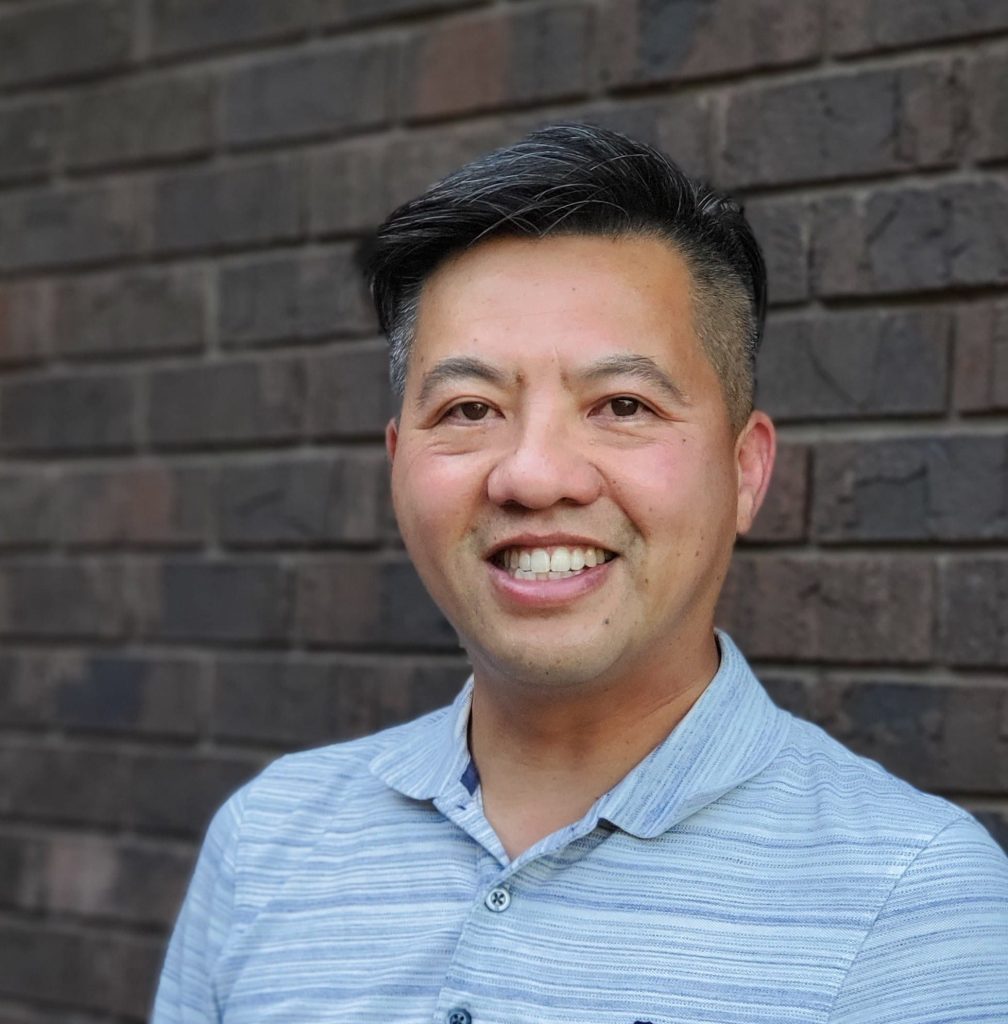
What part of Burnaby do you live in?
Central Burnaby
Which political party (if any) do you represent, or are you an independent?
Independent
Can you summarize your general election platform?
Burnaby needs services and infrastructure to keep pace with its rapid growth. The top three issues we face are: healthcare infrastructure including expansion of the hospital; transportation network expansion to increase transit service in all directions within Burnaby with the goal to promote urban villages, local businesses and develop walking and cycling paths; and public safety.
What is your position on the BRT through Burnaby? Do you have a route preference? Do you support or oppose removing curbside parking in favour of all-day/every-day bus lanes? Will you listen to and respect local concerns regarding this topic when the time comes for Council to make a decision on the BRT route alignment and design?
I support BRT that does not come at the expense of losing parking on Burnaby Heights and negatively impact local businesses. I think it is important that people can access the Burnaby Heights area to shop, dine and live whether it is by driving, by bus, and or by bicycling.
What is your position regarding commercial unit affordability, availability, and size? Do you have any specific plans or initiatives you’d like to explore to alleviate loss of small commercial spaces and the dominance of appointment-based businesses at street level (businesses that don’t depend on walk-by traffic) while Retail (businesses that do depend on walk-by traffic) gets pushed out?
Development and permitting should provide a mix of commercial unit spaces for small and medium size local business. The city should balance a mix of appointment based as well as retail based businesses.
What are your ideas on helping small businesses and streetfront merchants survive and thrive? How do you plan to help small local streetfront businesses conduct business in Burnaby more easily, pay fewer City fees, and help make commercial property tax more affordable for small businesses and urban villages?
The City should support the efforts of the BIA and have a collaborative relationship. Both the City and the BIA can work together on outreach efforts across Metro Vancouver to promote the urban village feel of Burnaby Heights. An example could be community led “in your neighbourhood events” such as walking tours to introduce local history and businesses. I have collaborated with the City to develop walking tours in Central Burnaby. I am eager to help the BIA and Burnaby Heights to do something similar.
What is your position or thoughts on social disorder? How do you plan to support streetfront businesses that are facing challenges and disruption from social disorder, drug addiction and mental health crisis, vandalism, shoplifting, and other problems? What are some ideas you have in mind to address this?
I am very concerned about public disorder. I have witnessed an escalation in crime and vandalism in surrounding municipalities. Vibrant neighbourhoods help create a secure environment. Clean, well-maintained, well-lit public spaces and active streets are really important aspects of cultivating vibrant neighbourhoods.
Our BIA would like to bring more fun, attractions, and placemaking to our local district. If elected, would you encourage the City to work with BIAs to create more activities and points of interest for locals and visitors to enjoy?
Yes. I am very supportive of this.
What is your collaboration and communication style? If elected, how do you plan to work across political differences with businesses, citizens, and even other elected officials, to solve problems together with communities?
I believe in listening, finding common ground, and working together to build Burnaby’s future while preserving the community spirit. I am an experienced leader, entrepreneur, and community builder. I have served as a School Governor, non-profit board member, and director with Fortune 500 and mid-sized companies. For more than a decade, I have devoted my time to community service, supporting cultural and heritage organizations. I currently serve on Burnaby’s Public Art Committee. As a Councillor, I will bring practical leadership, collaborative community-building experience, and independent thinking to build strong communities across our city.
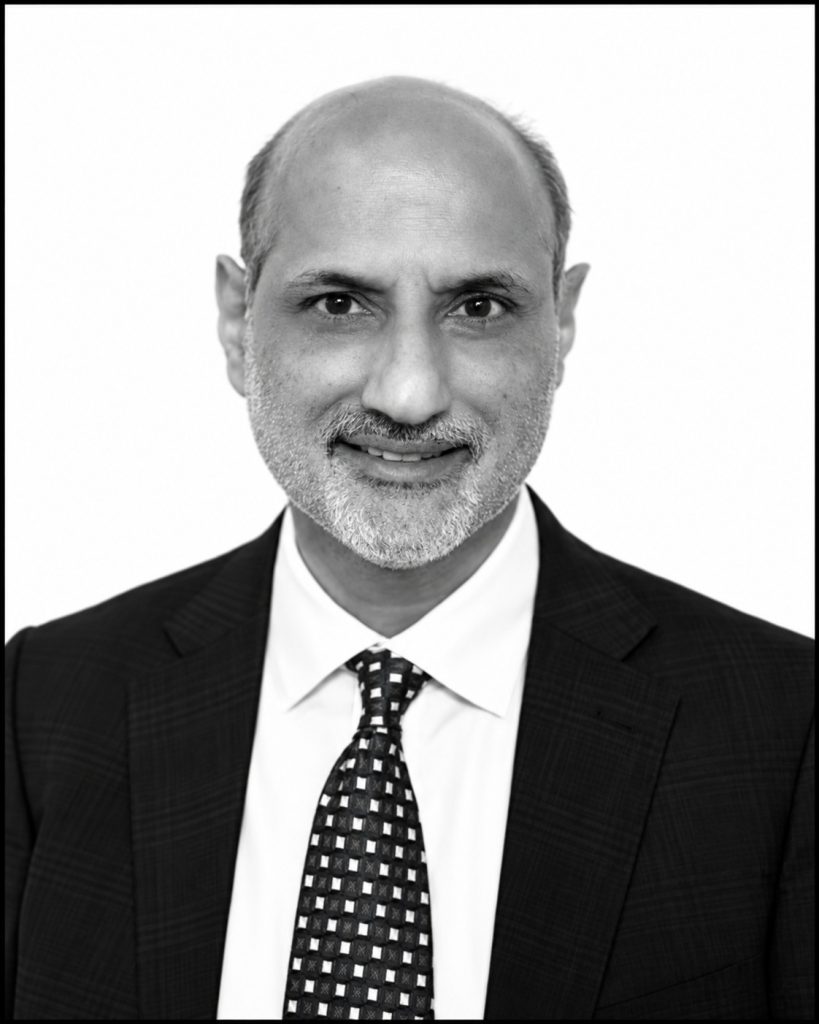
What part of Burnaby do you live in?
Metrotown
Which political party (if any) do you represent, or are you an independent?
New Burnaby Party
Can you summarize your general election platform?
I am running because I think Burnaby needs more practical decision-making and better listening from City Hall.
My focus is affordability, public safety, responsible growth, and support for residents and small businesses. Burnaby is growing quickly, but growth has to be managed in a way that protects neighbourhoods, supports local businesses, and makes daily life easier — not harder.
I believe Council needs to listen before decisions are made, not after. My approach is simple: common sense, consultation, and accountability.
What is your position on the BRT through Burnaby? Do you have a route preference? Do you support or oppose removing curbside parking in favour of all-day/every-day bus lanes? Will you listen to and respect local concerns regarding this topic when the time comes for Council to make a decision on the BRT route alignment and design?
I support better public transit, but I do not support damaging a neighbourhood shopping street in the process.
Hastings Street is not just a traffic route. It is a business district, a pedestrian area, and a place where people shop, work, eat, and meet. Removing curbside parking and creating all-day bus lanes could seriously affect merchants and reduce access for seniors, families, people with mobility issues, deliveries, and customers.
I would not support removing parking through Burnaby Heights unless there is clear evidence that local businesses, residents, pedestrians, and access needs are properly protected.
I do not have a fixed route preference at this stage. I would want to hear from the BIA, residents, merchants, TransLink, and City staff before making a final decision. Local concerns have to matter.
What is your position regarding commercial unit affordability, availability, and size? Do you have any specific plans or initiatives you’d like to explore to alleviate loss of small commercial spaces and the dominance of appointment-based businesses at street level (businesses that don’t depend on walk-by traffic) while Retail (businesses that do depend on walk-by traffic) gets pushed out?
I support more smaller commercial units in Burnaby Heights and other urban villages.
If new commercial spaces are too large or too expensive, small independent businesses get pushed out. That hurts the character of the neighbourhood and reduces street activity.
I also think we should look at encouraging appointment-based businesses to locate on second floors where possible, so ground-floor space can be used by businesses that depend on walk-by traffic.
I would support reviewing zoning, development guidelines, and approval policies to encourage smaller storefronts and more active street-level retail.
What are your ideas on helping small businesses and streetfront merchants survive and thrive? How do you plan to help small local streetfront businesses conduct business in Burnaby more easily, pay fewer City fees, and help make commercial property tax more affordable for small businesses and urban villages?
Small businesses need less red tape and more support from City Hall.
I would support reviewing City fees, permit delays, patio or setback-use charges, signage rules, and other costs that make it harder for small businesses to operate.
I would also like to look at ways to ease the commercial tax burden on local streetfront businesses, especially in urban villages. The City cannot control every cost, but it can look closely at the costs it does control.
The basic question should always be: are we making it easier or harder for small businesses to survive?
What is your position or thoughts on social disorder? How do you plan to support streetfront businesses that are facing challenges and disruption from social disorder, drug addiction and mental health crisis, vandalism, shoplifting, and other problems? What are some ideas you have in mind to address this?
Social disorder is hurting small businesses, and merchants should not be expected to handle it alone.
Shoplifting, vandalism, graffiti, open drug use, fires, and threatening behaviour create real costs and safety concerns. We need compassion for people struggling with addiction or mental-health issues, but we also need accountability and safe streets.
I would support better coordination between the City, RCMP, BIAs, outreach workers, and mental-health services. I would also support faster responses to repeat vandalism, graffiti, property damage, and unsafe behaviour.
Compassion and public safety both matter. One should not be used as an excuse to ignore the other.
Our BIA would like to bring more fun, attractions, and placemaking to our local district. If elected, would you encourage the City to work with BIAs to create more activities and points of interest for locals and visitors to enjoy?
Yes. I would support the City working more closely with BIAs on events, attractions, public art, lighting, seating, seasonal displays, and other placemaking ideas.
These things help bring people into the area, support local businesses, and build pride in the neighbourhood.
BIAs know their areas well. The City should treat them as partners.
What is your collaboration and communication style? If elected, how do you plan to work across political differences with businesses, citizens, and even other elected officials, to solve problems together with communities?
My style is direct, respectful, and practical.
As a lawyer and educator, I am used to dealing with disagreement. I believe many local issues are not about ideology — they are about solving real problems.
If elected, I would want regular communication with BIAs, businesses, residents, and community groups. I would rather hear concerns early than after damage has already been done.
My goal would be to listen, ask questions, and work toward practical solutions.
No information was submitted.
What part of Burnaby do you live in?
Burnaby Centre
Which political party (if any) do you represent, or are you an independent?
Burnaby Citizens Association (BCA)
Can you summarize your general election platform?
I encourage everyone to see the BCA election platform in full on our website, but I will highlight four key aspects of it: It is important to 1) keep Burnaby accessible and affordable while maintaining zero debt and continuing to ensure Burnaby has some of the lowest taxes in the region; 2) support small businesses and local jobs, including streamlining permits and licensing; 3) invest in community amenities for every neighbourhood, including maintaining and expanding our community centres and parks, and the programming offered; and 4) keep streets safe with upgraded street lighting and sidewalks, as well as finishing the new RCMP detachment and working with them on the local policing Burnaby neighbourhoods count on.
What is your position on the BRT through Burnaby? Do you have a route preference? Do you support or oppose removing curbside parking in favour of all-day/every-day bus lanes? Will you listen to and respect local concerns regarding this topic when the time comes for Council to make a decision on the BRT route alignment and design?
I am in support of better transit and a main street that works for merchants and shoppers. The BCA and I will listen and bring the Heights Merchant Association, residents, and local businesses in early and ensure Heights merchants and residents are at the table before anything is decided. It is my understanding that no route has been chosen yet and that Translink will make the final route decision in 2027. Council should make a decision with real numbers on both options set forth (Hastings, and Boundary/Halifax/Willingdon). The Council listened in 2024, taking the Heights stretch out of the Hastings bus-lane plan. The R2 RapidBus now runs through the Heights without impacting local businesses.
What is your position regarding commercial unit affordability, availability, and size? Do you have any specific plans or initiatives you’d like to explore to alleviate loss of small commercial spaces and the dominance of appointment-based businesses at street level (businesses that don’t depend on walk-by traffic) while Retail (businesses that do depend on walk-by traffic) gets pushed out?
A growing city needs shops, services, and jobs, not just homes. This can be achieved with smaller, flexible ground-floor units in new mixed-use buildings. It will be important to work with the HMA on a retail strategy for Hastings. These steps will build on the Economic Growth Task Force’s 17 approved recommendations.
What are your ideas on helping small businesses and streetfront merchants survive and thrive? How do you plan to help small local streetfront businesses conduct business in Burnaby more easily, pay fewer City fees, and help make commercial property tax more affordable for small businesses and urban villages?
Small businesses are the heart of our urban villages. The City can work towards faster simpler permits for patios, signs, and renovations, as well as having a single point of contact at City Hall for small businesses. It would be useful to review the fees merchants pay to use their own setback space. The City has kept taxes among the lowest in the region, and maintains zero debt, which the BCA promises to continue. Finally, we can press the Province for tools to tax small street-front shops differently from large commercial properties.
What is your position or thoughts on social disorder? How do you plan to support streetfront businesses that are facing challenges and disruption from social disorder, drug addiction and mental health crisis, vandalism, shoplifting, and other problems? What are some ideas you have in mind to address this?
Merchants shouldn’t carry the cost alone. Municipally, we can focus on better lighting and well-kept streets, fast City clean-up of any graffiti or vandalism, and regular check-ins between the RCMP and the HMA, including the new RCMP headquarters to recruit and keep officers. The City can press the Province and Fraser Health for treatment, detox, and mental health care close to home, and back outreach workers who help people in crisis.
Our BIA would like to bring more fun, attractions, and placemaking to our local district. If elected, would you encourage the City to work with BIAs to create more activities and points of interest for locals and visitors to enjoy?
Yes, let’s build on what the HMA already does, like Hat’s Off Day. The BCA can look into making event and road-closure permits simpler. We can look into installing street furniture, lighting, and public art. And we can promote the Heights as a place to visit.
What is your collaboration and communication style? If elected, how do you plan to work across political differences with businesses, citizens, and even other elected officials, to solve problems together with communities?
The BCA believes in cooperation, not grandstanding. We work with every government, and we answer to Burnaby. We are committing to push for a clear timeline for Burnaby Hospital Phase 2. The 2024 Heights bus-lane change came from listening to merchants. If the HMA has more feedback, we are happy to listen and you can contact our campaign office at 604-628-2819.
No information was submitted.
No information was submitted.
What part of Burnaby do you live in?
Metrotown
Which political party (if any) do you represent, or are you an independent?
Burnaby Green Party
Can you summarize your general election platform?
My platform aims to solve housing affordability through building 1500+ new non-market rental homes annually and 3x the amount of purpose-built rental housing in Burnaby.
We aim to ensure a safe, sustainable and accessible transportation system by speeding up buses by at least 20% through signal priority, ensuring every street has a safe and accessible sidewalk, and building a connected cycling network that is safe for all.
There is so much that can be solved around affordability, sustainability, safety, and accessibility in Burnaby, while building a vibrant, resilient, and accountable city.
More details can be found here: joelgibbs.ca/platform
What is your position on the BRT through Burnaby? Do you have a route preference? Do you support or oppose removing curbside parking in favour of all-day/every-day bus lanes? Will you listen to and respect local concerns regarding this topic when the time comes for Council to make a decision on the BRT route alignment and design?
I am in support of faster and more reliable transit linking all areas of Burnaby together and providing more access to local shops and businesses to more people. We need faster, direct and more reliable transit connecting all parts of the city together.
I very much agree with HMA’s desire to make Hastings safer and more welcoming for people and have Hastings not be a 6 lane highway. There have been far too many preventable deaths on Hastings streets, especially in recent years and much needs to be done to improve safety along Hastings. I am committed to working with all stakeholders, including safety advocates, residents, HMA, and others to ensure Hastings St is safe and welcoming, with no more serious injuries or deaths from on our streets.
I support a median running BRT along Willingdon and Hastings while maintaining off-peak curbside parking. Median running BRT provides direct, faster and more reliable transit options for Heights residents and visitors, encouraging many more people, myself included, to visit the Heights more frequently. Additionally, maintaining curbside parking in off-peak hours, like currently exist, allows for delivery and other business access while also making Hastings safer and calming traffic.
What is your position regarding commercial unit affordability, availability, and size? Do you have any specific plans or initiatives you’d like to explore to alleviate loss of small commercial spaces and the dominance of appointment-based businesses at street level (businesses that don’t depend on walk-by traffic) while Retail (businesses that do depend on walk-by traffic) gets pushed out?
Burnaby needs to allow and encourage more mixed-use housing and local retail space in the Heights. The increased commercial space along neighbouring streets and increased population should help provide some relief around commercial unit availability and affordability by introducing retail space where none existed before.
As part of this, there should be lessened redevelopment pressure on existing small commercial spaces along Hastings, reducing the loss of those spaces, while building more small commercial spaces in the Heights.
City policy definitely has a role to place to ensure availability of a variety of sizes of commercial spaces, understanding the need for many smaller spaces, and work to allow for more of those spaces.
What are your ideas on helping small businesses and streetfront merchants survive and thrive? How do you plan to help small local streetfront businesses conduct business in Burnaby more easily, pay fewer City fees, and help make commercial property tax more affordable for small businesses and urban villages?
We need to allow more housing in the Heights area, not only along Hastings, providing a larger and growing population base to help sustain local businesses in the Heights while reducing pressure on existing businesses to be forced out for redevelopment.
Improved transit access to the Heights with the recent R2 extension, and future BRT with stops in the Heights, will also provide greater accessibility to the Heights and encourage more visitors to the Heights from other parts of Burnaby and other municipalities.
Additionally, reducing barriers for new and existing businesses, and allowing for a single point of contact for most needs at city hall also aims to simplify processes and allow for smoother processing and support from the city.
What is your position or thoughts on social disorder? How do you plan to support streetfront businesses that are facing challenges and disruption from social disorder, drug addiction and mental health crisis, vandalism, shoplifting, and other problems? What are some ideas you have in mind to address this?
Many of the visible issues around social disorder seen in Burnaby and faces by residents and businesses often stem from poverty and lack of stability for people.
While the city alone can not fully solve it, there is much the city can do to help support those in need during some of their most challenging times, having the effect of improving conditions for local businesses and residents when people are able to access the supports and stability they need.
Everyone deserves to have safe access to the supports they need during the most difficult times of their life. Burnaby can help ensure there is safety and care for all community members.
I will work to create a full spectrum of housing and supports in Burnaby, as we currently lack much of what is needed by many of our most vulnerable citizens. This includes shelter space, supportive housing, detox and rehab facilities and more, in partnership with Fraser Health and other supporting organizations. Providing access to these services for our community members most in need brings a level of stability to life, which will allow for increased safety for everyone over time, reducing the amount of visible poverty, homelessness and social disorder.
Additionally I will push to create a non-police mental health intervention and crisis response within a Community Safety department, centred on well-being with health and peer support workers, allowing police to focus on solving crimes. These response teams would support all individuals in need, providing connection and ensuring access to all the supports and services needed to have some stability and start rebuilding a healthy, meaningful life. These teams would also be a main poring of contact for local businesses, working together to help identify those in need and connect them with the necessary supports.
Our BIA would like to bring more fun, attractions, and placemaking to our local district. If elected, would you encourage the City to work with BIAs to create more activities and points of interest for locals and visitors to enjoy?
Yes, the city needs to work with all partners to make Burnaby a more vibrant and welcoming place for everyone. As part of my platform, we will provide spaces for people to gather, socialize, and build community, creating a number of public plazas or squares throughout the city, including one in the Heights. This space should be designed to encourage and welcome both informal gathering and socializing as well as planned fun, events, and attractions.
I would definitely support the city working with HMA, non-profits and other groups to create more vibrant spaces and activities and bring people together.
What is your collaboration and communication style? If elected, how do you plan to work across political differences with businesses, citizens, and even other elected officials, to solve problems together with communities?
My focus is on how we can solve many of the challenges facing Burnaby. That requires collaboration, understanding needs from many different people and groups, and working through those to find ways to solutions that respect the needs of everyone.
By being transparent about my goals, and always being open to dialogue, I thrive on gaining understanding from all the perspectives and finding areas of commonality to build solutions together.
Much great work has been done with the engagements Burnaby as undertaken with SFU’s Centre for Dialogue, and I would expand that partnership to ensure comprehensive engagement. I would generally push to directly implement much of the recommendations from such inclusive dialogues instead of having it only feed into a much slower city process that often delays implementing solutions.
What part of Burnaby do you live in?
Lougheed mall area
Which political party (if any) do you represent, or are you an independent?
Independent
Can you summarize your general election platform?
Financial accountability, community engagement, and responsible growth. Burnaby needs a councillor who asks where tax dollars go, makes sure residents are heard before decisions are made, and won’t let development outpace the infrastructure and community input that should come with it. I’m independent — no party, no slate — so my only obligation is to residents.
What is your position on the BRT through Burnaby? Do you have a route preference? Do you support or oppose removing curbside parking in favour of all-day/every-day bus lanes? Will you listen to and respect local concerns regarding this topic when the time comes for Council to make a decision on the BRT route alignment and design?
I oppose removing curbside parking on Hastings in favour of all-day bus lanes. I’ve spoken directly with business owners on that street, and the math doesn’t work for them — losing parking doesn’t get people out of their cars, it just pushes drivers into residential side streets, which I’ve already seen happen near industrial areas where paid parking was introduced. I support multi-modal transit, but it can’t come at the direct expense of the small businesses that make Hastings work. Any BRT alignment through Burnaby Heights needs real consultation with the merchants and residents most affected before a route is finalized not after.
What is your position regarding commercial unit affordability, availability, and size? Do you have any specific plans or initiatives you’d like to explore to alleviate loss of small commercial spaces and the dominance of appointment-based businesses at street level (businesses that don’t depend on walk-by traffic) while Retail (businesses that do depend on walk-by traffic) gets pushed out?
This is a real problem in Burnaby Heights and Hastings specifically. When commercial rents climb, landlords favour tenants who can pay steady rent regardless of foot traffic — offices, appointment-based services — over the retail and food businesses that actually make a street feel alive. I’d want the city looking at zoning tools that protect street-level retail space in designated commercial corridors, and I’d want a serious look at whether commercial property tax structures are pushing small operators out faster than they can adapt. I don’t have a fully-formed policy on this yet, and I’d rather say that honestly than promise something I can’t back up.
What are your ideas on helping small businesses and streetfront merchants survive and thrive? How do you plan to help small local streetfront businesses conduct business in Burnaby more easily, pay fewer City fees, and help make commercial property tax more affordable for small businesses and urban villages?
I’ve heard this directly from business owners on Hastings — one told me her property tax bill was $11,000, another watched a basic supply cost jump nearly fourfold. Small business owners are getting squeezed from every direction. I’d push for a real review of city fees and permitting costs, since a lot of that burden comes from process, not just tax rate. I’m also cautious about big capital projects with runaway costs, because that spending pressure ultimately gets passed down. Confederation Park cost this city $15.8 million with nothing built. That’s the kind of waste driving costs up for everyone, including small businesses.
What is your position or thoughts on social disorder? How do you plan to support streetfront businesses that are facing challenges and disruption from social disorder, drug addiction and mental health crisis, vandalism, shoplifting, and other problems? What are some ideas you have in mind to address this?
This is something I take seriously, partly because of my own background I experienced homelessness as a teenager, so I understand both sides of it. The city needs real capacity for addiction treatment and mental health support, and the wait times for treatment beds need to come down someone who’s ready to get help today can’t wait weeks for a bed. At the same time, there’s a small number of people causing real harm through vandalism and theft, and that has to be treated differently than someone who’s simply unhoused. Businesses deserve enforcement against actual crime, and residents deserve a city that invests in the supports that prevent people from reaching crisis in the first place.
Our BIA would like to bring more fun, attractions, and placemaking to our local district. If elected, would you encourage the City to work with BIAs to create more activities and points of interest for locals and visitors to enjoy?
Yes, absolutely. Local business associations know their district better than City Hall does. If a BIA wants to bring more activity and attractions to their area, the city should be a willing partner, not a bureaucratic obstacle. I’ve always enjoyed hats off day…we need more of that community sport.
What is your collaboration and communication style? If elected, how do you plan to work across political differences with businesses, citizens, and even other elected officials, to solve problems together with communities?
I don’t believe in scoring political points. I’ve spent the last year attending every council meeting and building relationships across every party and every camp in this city, because the people I disagree with still deserve a real conversation. If elected, I’ll work with anyone regardless of their politics if it means solving a real problem for residents and businesses. That’s the whole reason I’m running independent: to answer to the community, not to a party line.
No information was submitted.
No information was submitted.
What part of Burnaby do you live in?
Gilmore
Which political party (if any) do you represent, or are you an independent?
Burnaby Green Party
Can you summarize your general election platform?
My top three priorities are affordable housing, the reduction of LED light pollution and community cleanliness.
What is your position on the BRT through Burnaby? Do you have a route preference? Do you support or oppose removing curbside parking in favour of all-day/every-day bus lanes? Will you listen to and respect local concerns regarding this topic when the time comes for Council to make a decision on the BRT route alignment and design?
I need more information from Translink regarding the benefits of routing the R2 RapidBus down Boundary Road as opposed to along Hastings Street to Willingdon Avenue. Either way, I support the Burnaby Heights BIA’s request for curbside parking along Hastings Street. However, I would like to see a balanced approach to a transportation and parking plan that allows customer parking along Pender Street and Albert Street as well as in the back alleys to the north and south of Hastings Street, but also encourages walking and transit use by Burnaby Heights visitors.
What is your position regarding commercial unit affordability, availability, and size? Do you have any specific plans or initiatives you’d like to explore to alleviate loss of small commercial spaces and the dominance of appointment-based businesses at street level (businesses that don’t depend on walk-by traffic) while Retail (businesses that do depend on walk-by traffic) gets pushed out?
Small businesses are the beating heart of Burnaby’s economy. We must make sure they have reasonably priced places to do business for decades to come. I would create incentives to encourage appointment-based businesses to be located on the second floor or above, so that the ground floor units are freed up for retail businesses that depend on walk-by traffic.
What are your ideas on helping small businesses and streetfront merchants survive and thrive? How do you plan to help small local streetfront businesses conduct business in Burnaby more easily, pay fewer City fees, and help make commercial property tax more affordable for small businesses and urban villages?
I agree with your BIA’s proposal to prioritize locating appointment-based businesses on second-floor spaces, so that the ground floor units are freed up for those businesses that depend on walk-by traffic. I would support municipal, provincial and federal investment of the redevelopment of older buildings in older sections of the city such as along Kingsway and Hastings Street, and a reduction of City fees and commercial property tax through the increased volume of business in these areas of Burnaby.
What is your position or thoughts on social disorder? How do you plan to support streetfront businesses that are facing challenges and disruption from social disorder, drug addiction and mental health crisis, vandalism, shoplifting, and other problems? What are some ideas you have in mind to address this?
I would like to revamp the City’s Bylaw Enforcement program, which will ensure that the Burnaby RCMP will have more time for patrols and law enforcement in all sectors of Burnaby. I feel the City of Burnaby needs to take steps to provide emergency housing (both temporary and long-term) for all people in this municipality. We must also focus on recovery-based models where people can live productive lives free from the scourges of drug addiction and poor mental health. By taking these steps, we can reduce vandalism and theft from businesses in this municipality and their associated costs for the benefit of Burnaby-based businesses.
Our BIA would like to bring more fun, attractions, and placemaking to our local district. If elected, would you encourage the City to work with BIAs to create more activities and points of interest for locals and visitors to enjoy?
I think the Burnaby Heights BIA does a great job every year with their Hats Off Day. I would encourage all BIAs to work with the City of Burnaby to create some smaller scale events throughout the year to improve foot traffic and sales in their respective areas.
What is your collaboration and communication style? If elected, how do you plan to work across political differences with businesses, citizens, and even other elected officials, to solve problems together with communities?
I like to have the viewpoints of assorted shareholders of the final decision, and attempt to make well-informed and educated decisions that will benefit a majority of the people involved. I am open to direct and honest feedback to help lessen any unintended consequences of these decisions.
What part of Burnaby do you live in?
Edmonds
Which political party (if any) do you represent, or are you an independent?
Burnaby Citizens Association
Can you summarize your general election platform?
As I am running with the Burnaby Citizens Association (BCA), please see our platform here: www.burnaby-ctizens.ca/platform.
What is your position on the BRT through Burnaby? Do you have a route preference? Do you support or oppose removing curbside parking in favour of all-day/every-day bus lanes? Will you listen to and respect local concerns regarding this topic when the time comes for Council to make a decision on the BRT route alignment and design?
I strongly support better transit, but I also believe we need to make sure our transportation decisions work for the communities and businesses along the route.
This is particularly important to me because I serve as Vice President of the Burnaby North Road Business Improvement Association. Through this role, I work closely with local businesses and understand how decisions about transportation, parking and accessibility can directly affect their day-to-day operations and their customers.
We saw in 2024 why community consultation matters. When Heights businesses and residents raised concerns about proposed bus lanes and the impact on street parking, Council listened, retained parking through the Heights and called for further consultation. The broader Hastings Street Improvement Project was later discontinued.
Today, the R2 RapidBus runs through the Heights without new dedicated bus lanes on Hastings or removing most existing parking. It shows that better transit and a vibrant business district do not have to be competing goals.
For the proposed Bus Rapid Transit route, even though TransLink will ultimately make the route decision in 2027, meaningful consultation with the people who will be directly affected is essential. The Heights Merchants Association, local businesses and residents need to be at the table early so their concerns, experiences and ideas can genuinely inform the process.
For me, it is not a choice between better transit and a strong main street. We need both. I support better transit, but we need to listen to the community and make sure the people most affected have a meaningful voice in the decisions.
What is your position regarding commercial unit affordability, availability, and size? Do you have any specific plans or initiatives you’d like to explore to alleviate loss of small commercial spaces and the dominance of appointment-based businesses at street level (businesses that don’t depend on walk-by traffic) while Retail (businesses that do depend on walk-by traffic) gets pushed out?
I believe Burnaby needs to protect affordable, appropriately sized commercial spaces for small businesses. From my experience working with a local BIA, I have seen how the size, location and cost of commercial units can determine whether a small business can realistically operate in a neighbourhood.
I support creating more smaller and flexible commercial units in new mixed-use developments so independent retailers and small businesses have options that better fit their needs and budgets.
I also think we need to be more intentional about street-level commercial space. Ground-floor spaces are particularly important for retail, cafés, restaurants and other businesses that depend on walk-by traffic. Where appropriate, appointment-based businesses that do not rely on pedestrian traffic can be encouraged on upper floors, helping preserve street-level space for businesses that contribute to an active main street.
For Hastings Street, I would support working directly with the Heights Merchants Association and local businesses on a retail strategy that looks specifically at commercial affordability, unit size, the mix of businesses and how we can retain and attract street-level retail.
These are also issues that should be considered as the City moves forward with the 17 recommendations from the Economic Growth and Resilience Task Force.
What are your ideas on helping small businesses and streetfront merchants survive and thrive? How do you plan to help small local streetfront businesses conduct business in Burnaby more easily, pay fewer City fees, and help make commercial property tax more affordable for small businesses and urban villages?
Small businesses are the heart of our urban villages, and we need to make it easier, not harder, for them to do business in Burnaby.
I support making City processes faster, simpler and more predictable for small businesses. As a lawyer, I understand how important it is for rules and processes to be clear, consistent and easy to navigate. Small business owners should be able to understand what is required of them without spending unnecessary time and resources navigating complicated City processes.
Permits for patios, signs and renovations should not become barriers to opening, operating or improving a business. I would like to see clearer requirements, shorter processing times and a single point of contact at City Hall who can help small business owners navigate the process from beginning to end.
I also think we should take a closer look at the fees the City charges small businesses, including the fees merchants pay to use setback space associated with their storefronts. We should identify where unnecessary costs can be reduced while still maintaining appropriate safety and community standards.
On property taxes, Burnaby has kept property taxes among the lowest in the region while maintaining a debt-free position. But small streetfront businesses face very different realities from large commercial properties. I would support continuing to press the Province for additional tools that would allow municipalities to better distinguish small streetfront businesses from large commercial properties for property tax purposes.
My goal is to reduce unnecessary red tape and costs, make procedures easier to navigate, and create an environment where local streetfront businesses can survive, grow and thrive.
What is your position or thoughts on social disorder? How do you plan to support streetfront businesses that are facing challenges and disruption from social disorder, drug addiction and mental health crisis, vandalism, shoplifting, and other problems? What are some ideas you have in mind to address this?
I believe our streetfront businesses and their employees deserve to feel safe, and merchants should not be left to carry the cost of social disorder alone. When a small business is repeatedly dealing with vandalism, shoplifting, public drug use or people in crisis outside their storefront, we need to respond quickly and practically.
At the City level, there are things we can do right away. I support better lighting in commercial areas, keeping streets and public spaces clean and well maintained, and faster cleanup when graffiti or vandalism occurs. If the same locations are experiencing repeated problems, we should work directly with merchants, the RCMP and other partners to identify what is happening and what can be done differently.
Communication is also important. I would like to see regular check-ins between the RCMP and the Heights Merchants Association, not just when there is a major incident. Merchants should have a clear way to raise recurring concerns about shoplifting, vandalism or public safety and know who to contact for follow-up.
We also need enough policing resources for a growing city. Burnaby’s new Community Safety Building is an important investment, and we need to make sure the RCMP can recruit and retain the officers necessary to respond to community and business concerns.
But policing is only one part of the solution. If someone is experiencing a serious mental health or addiction crisis, repeatedly moving that person from one street or storefront to another does not solve the problem. We need to press the Province and Fraser Health for better access to mental health care, detox and addiction treatment close to home. We should also continue supporting outreach workers who can go into the community, build relationships with people in crisis and connect them with treatment, housing and other services.
Ultimately, I want to see a coordinated approach that addresses both the immediate concerns businesses are facing and the underlying issues of mental health and addiction. That means a responsive City, appropriate policing resources, better access to treatment and mental health services, and strong outreach in the community.
Our BIA would like to bring more fun, attractions, and placemaking to our local district. If elected, would you encourage the City to work with BIAs to create more activities and points of interest for locals and visitors to enjoy?
Absolutely. I believe BIAs are important partners in creating vibrant commercial districts and bringing people into our local neighbourhoods.
From my work with the North Road BIA, I have seen how much these activities can add to a neighbourhood. Our annual festival brings people out to the area and gives local businesses more exposure. We have also worked on things like street banners, which may seem small, but they help make the area more recognizable and give the neighbourhood its own identity.
I would like to see our City work more closely with BIAs and build on what they are already doing. Hats Off Day in the Heights is a great example. People look forward to it every year, and it brings more people into the neighbourhood and supports local businesses.
The City can help by making event and road-closure permits simpler and easier to navigate. We can also work with BIAs on practical things like better lighting, street furniture, banners and public art.
I would also like the City to work with the HMA to bring more people to the Heights to shop, eat, attend events and support local businesses.
What is your collaboration and communication style? If elected, how do you plan to work across political differences with businesses, citizens, and even other elected officials, to solve problems together with communities?
My approach is to listen first and focus on practical solutions. People will not always agree, but I think it is important to understand where someone is coming from and what they are trying to achieve before deciding how to move forward.
As a lawyer, I work with people who often have different interests and perspectives. I also regularly work with professionals from other fields, and I have learned that no one person has all the answers. We each bring different knowledge and experience to the table, and some of the best solutions come from listening to each other and learning from each other’s experience.
I would bring the same approach to City Council. When we are dealing with an issue, I want to hear from the residents and businesses who are directly affected, City staff who understand the technical side, and community organizations and professionals who may bring different expertise. Then we can look at what is actually workable and find a practical way forward.
If elected, I will make myself accessible to residents and local businesses, including people who may disagree with me. We may not always come to the same conclusion, but I will listen, communicate clearly and take their concerns seriously.
The same applies to working with other elected officials. For me, it is not about who has the idea or which side it comes from. If it is a practical solution that can make things better for our community, I am willing to work together to get it done.

What part of Burnaby do you live in?
Brentwood
Which political party (if any) do you represent, or are you an independent?
Independent
Can you summarize your general election platform?
My platform focuses on responsible growth, everyday affordability, safer neighbourhoods, healthcare and language access, supporting local businesses, housing for every stage of life, and accountable City government. As Burnaby grows, I want infrastructure and services to keep pace, while making sure our neighbourhoods remain places where residents and small businesses can thrive. I believe in practical solutions, careful use of tax dollars, and measuring whether City programs are actually delivering results. I also want City Hall to listen to residents and businesses early, especially when decisions directly affect their neighbourhoods and livelihoods.
What is your position on the BRT through Burnaby? Do you have a route preference? Do you support or oppose removing curbside parking in favour of all-day/every-day bus lanes? Will you listen to and respect local concerns regarding this topic when the time comes for Council to make a decision on the BRT route alignment and design?
I support improving rapid transit between Burnaby and the North Shore, but I don’t think better transit should come at the expense of the businesses and neighbourhoods it is meant to serve. The final BRT alignment and design have not yet been approved, so I would want to see the full analysis of both route options before choosing one.
If the Hastings option requires removing curbside parking and loading throughout the Heights, I would have serious concerns. Access matters for seniors and people with mobility needs, but also for deliveries, customers and the nearly 400 businesses that make the Heights what it is. I would want TransLink and the City to demonstrate that these impacts can be addressed before supporting that design.
If elected, I would listen to the BIA, merchants and residents before Council makes a decision. I support better transit, but I believe transportation planning should be balanced and consider transit users, pedestrians, cyclists, drivers, businesses and people with accessibility needs.
What is your position regarding commercial unit affordability, availability, and size? Do you have any specific plans or initiatives you’d like to explore to alleviate loss of small commercial spaces and the dominance of appointment-based businesses at street level (businesses that don’t depend on walk-by traffic) while Retail (businesses that do depend on walk-by traffic) gets pushed out?
I support protecting smaller commercial spaces as Burnaby grows. When older properties are redeveloped, we should look at how commercial space is designed, not just how much is provided. Smaller storefronts can give independent retailers, food businesses and new entrepreneurs a better opportunity to locate in neighbourhoods like the Heights.
I also think it makes sense to encourage appointment-based businesses, including clinics and professional services, to use upper-floor commercial space where it is accessible and practical. These businesses are important to our communities, but they don’t always depend on walk-by traffic in the same way retailers do. This could help preserve ground-floor storefronts for businesses that benefit most from pedestrian traffic while still creating space for clinics and other services.
I would work with BIAs and City planning staff to explore how zoning and redevelopment policies can support a healthy mix of commercial spaces and businesses.
What are your ideas on helping small businesses and streetfront merchants survive and thrive? How do you plan to help small local streetfront businesses conduct business in Burnaby more easily, pay fewer City fees, and help make commercial property tax more affordable for small businesses and urban villages?
Small businesses give neighbourhoods like the Heights their character, and I want to make it easier for them to survive and grow. I would review City fees, permitting processes and the commercial tax burden to identify where Burnaby can reasonably reduce costs and unnecessary barriers for small streetfront businesses.
I would also like to explore a local marketplace that brings Burnaby small businesses, food vendors, makers and local products together. This could give smaller businesses a lower-barrier way to reach customers while giving residents more opportunities to shop locally.
For the Heights specifically, I would support working with the BIA to bring more festivals, markets and events to Hastings. Bringing people into the neighbourhood and encouraging them to stay, walk around and discover local businesses is another practical way the City can support merchants.
What is your position or thoughts on social disorder? How do you plan to support streetfront businesses that are facing challenges and disruption from social disorder, drug addiction and mental health crisis, vandalism, shoplifting, and other problems? What are some ideas you have in mind to address this?
Small businesses shouldn’t be left to carry the cost of vandalism, shoplifting and social disorder on their own. As a member of Burnaby’s Community Safety Advisory Committee, I believe we need better communication between businesses, the City, RCMP and community services, and responses that reflect what is actually happening in each neighbourhood.
One area I would like to explore is making incident reporting and evidence-sharing easier for businesses. At our recent CSAC meeting, I raised questions about privacy rules around video evidence. I would like to examine whether a voluntary, privacy-compliant system could help businesses preserve and share relevant information or footage with RCMP more efficiently, while also helping identify recurring problem areas.
Technology is only part of the solution. Better lighting, safer public-space design, targeted prevention and appropriate mental-health and addiction supports also matter. My goal would be to reduce the burden on individual merchants while addressing both immediate safety concerns and the underlying problems contributing to disorder.
Our BIA would like to bring more fun, attractions, and placemaking to our local district. If elected, would you encourage the City to work with BIAs to create more activities and points of interest for locals and visitors to enjoy?
Yes. I think BIAs are in a good position to understand what makes their neighbourhoods unique and what will bring people into the area. I would encourage the City to work closely with BIAs on festivals, markets, public art, seasonal events and other placemaking initiatives that give residents and visitors more reasons to explore local neighbourhoods.
For the Heights specifically, I would love to see more events and attractions along Hastings that bring people into the area and encourage them to stay, walk around and discover local businesses. These initiatives can build community pride while also supporting the small businesses that give the Heights its character.
What is your collaboration and communication style? If elected, how do you plan to work across political differences with businesses, citizens, and even other elected officials, to solve problems together with communities?
I’m collaborative and easy to work with. I’ve had the opportunity to see issues from very different sides through my work with the public sector, unions, businesses, nonprofits and community organizations. I try to understand where people are coming from before jumping to a solution.
I’m also very practical. I don’t think we need to agree on everything to work well together. If elected, I would listen to different perspectives, look for common ground and focus on solutions that can actually be implemented. Whether I’m working with businesses, residents or other elected officials, my focus would be on solving the problem rather than the politics around it.
What part of Burnaby do you live in?
North East
Which political party (if any) do you represent, or are you an independent?
New Burnaby
Can you summarize your general election platform?
Community safety: ban illicit drug use in publicly funded spaces, reduce the burden of crime, vandalism and social disorder;
0% increase of property tax in first budget and following CPI in the next three years;
Adopt modern technology to improve services effectively.
Attract more business to Burnaby.
I agree with all the challenges faced by the merchants in the Heights. I will work with your BIA to solve all these issues.
What is your position on the BRT through Burnaby? Do you have a route preference? Do you support or oppose removing curbside parking in favour of all-day/every-day bus lanes? Will you listen to and respect local concerns regarding this topic when the time comes for Council to make a decision on the BRT route alignment and design?
I was the proponent in Council to add the Boundary-Lougheed option to BRT.
I oppose removing parking in the Heights’ area.
I respect local concerns.
What is your position regarding commercial unit affordability, availability, and size? Do you have any specific plans or initiatives you’d like to explore to alleviate loss of small commercial spaces and the dominance of appointment-based businesses at street level (businesses that don’t depend on walk-by traffic) while Retail (businesses that do depend on walk-by traffic) gets pushed out?
I believe rent and property should be more affordable for small business. That is why I advocate to freeze tax for one year and adjust to inflation rates for 3 years.
I will explore city policies which can increase retail business such as through DAP.
What are your ideas on helping small businesses and streetfront merchants survive and thrive? How do you plan to help small local streetfront businesses conduct business in Burnaby more easily, pay fewer City fees, and help make commercial property tax more affordable for small businesses and urban villages?
I will advocate for developing smaller commercial units, and more of them, so that smaller and more diverse and innovative businesses have a real chance of opening a business and providing more jobs in Burnaby Heights.
What is your position or thoughts on social disorder? How do you plan to support streetfront businesses that are facing challenges and disruption from social disorder, drug addiction and mental health crisis, vandalism, shoplifting, and other problems? What are some ideas you have in mind to address this?
Community safety is one of the prime goal for ne to run again for councillor.
I will demand provincial government to put in more resource to have treatment facilities for drug addiction and mental health.
I will continue to work reducing the burden of crime, vandalism, social disorder, and other related challenges, on small businesses by working with city staff and the RCMP.
Our BIA would like to bring more fun, attractions, and placemaking to our local district. If elected, would you encourage the City to work with BIAs to create more activities and points of interest for locals and visitors to enjoy?
For sure if elected, I would encourage the City to work with BIAs to create more activities and points of interest for locals and visitors to enjoy.
What is your collaboration and communication style? If elected, how do you plan to work across political differences with businesses, citizens, and even other elected officials, to solve problems together with communities?
Email and phone are the channels as usual, when I was MLA for Burnaby North for 16 years or as Councillor for 4 years. I am just a phone call away.
I can work across political differences with businesses, citizens and even other elected officials, to solve problems together with communities, as demonstrated as my roles for 20 years as MLA and Councillor, as well as Deputy Speaker for two years.
I need more similar minded Councillors in Burnaby to support me to implement your priorities, since many of my motions were not seconded in the Council meetings.
Vole for the New Burnaby Party to end the 40 years of NDP/BCA majority in Burnaby City Council.
What part of Burnaby do you live in?
North Burnaby
Which political party (if any) do you represent, or are you an independent?
Independant
Can you summarize your general election platform?
Tax reduction across the board, additional govt workers only increases the tax burden upon people. Auditing the govt to see if it can be streamlined to ease the excessive taxation. Reducing permit fees and approval times for new build construction. This is another form of expense that becomes the home buyers expense which keeps house prices inflated. Additional parking meters need to be removed it effects business along the street and those that need to park and ride can be an additional $200 a month expense. A unilateral plan to deal with homelessness (addiction) which is a high source of break-ins and theft. Develop an out of city rehab hub that all municipalities would be part of.
What is your position on the BRT through Burnaby? Do you have a route preference? Do you support or oppose removing curbside parking in favour of all-day/every-day bus lanes? Will you listen to and respect local concerns regarding this topic when the time comes for Council to make a decision on the BRT route alignment and design?
I oppose removing parking, this is a fast way to destroy the economy of all the business along the corridor. After the enormous properties taxes taken, you would then have your business destroyed. One of the joys is to be able to shop and walk along the stretch.
What is your position regarding commercial unit affordability, availability, and size? Do you have any specific plans or initiatives you’d like to explore to alleviate loss of small commercial spaces and the dominance of appointment-based businesses at street level (businesses that don’t depend on walk-by traffic) while Retail (businesses that do depend on walk-by traffic) gets pushed out?
Its important that the city keeps its taxation lower for commercial spaces, on the build as well as yearly taxes, the amounts are so high it discourages small commercial spaces from flourishing. I’m in favour of appointment only units being on the second floor so retail has access to floor level. Support new builds with retail on first floor and dedicated appointment of second floor, higher up can be living space.
What are your ideas on helping small businesses and streetfront merchants survive and thrive? How do you plan to help small local streetfront businesses conduct business in Burnaby more easily, pay fewer City fees, and help make commercial property tax more affordable for small businesses and urban villages?
The taxation issue, higher excessive city workers in all areas only creates a tax burden, are there any areas within city that are redundant or don’t add real value. There needs to be an audit of sorts. limit or remove any social spending as every expense is another tax dollar spent. Govt main role is police/fire, waste management, roads and development. All else can be an excessive tax burden. A goal would be freeze hiring and possibly shrink govt.
What is your position or thoughts on social disorder? How do you plan to support streetfront businesses that are facing challenges and disruption from social disorder, drug addiction and mental health crisis, vandalism, shoplifting, and other problems? What are some ideas you have in mind to address this?
Police on the streets are needed in these areas. develop a multi campus rehab facility outside the city. Full plan is here.
Our BIA would like to bring more fun, attractions, and placemaking to our local district. If elected, would you encourage the City to work with BIAs to create more activities and points of interest for locals and visitors to enjoy?
Yes that would be supported, but I need more info on what is proposed, would this be funded by the city? If so, again it becomes a tax expense. What we need now is to cut all the expenses so people and business have more money in their pocket.
What is your collaboration and communication style? If elected, how do you plan to work across political differences with businesses, citizens, and even other elected officials, to solve problems together with communities?
I’m on a strata council with different views so i have had experience navigating differences respectfully, the main goal is to look at the facts and what is becoming a burden on people and retail, its inflation and taxes. Also, If you fix one problem it cant be at the expense of another issue. I take a fiscally conservative approach to all things. I don’t make rash decisions and need to get all the facts on a situation before a decision is made. Its important to listen to all views then ponder things. The key is also to listen to people that live through daily as they would have a good perspective on an issue you may not have experienced. There are times in that you stand your ground and others where compromise is needed. Everything is case by case, analyze the cost/benefits/burdens things take.
No information was submitted.
No information was submitted.
No information was submitted.
What part of Burnaby do you live in?
Brentwood
Which political party (if any) do you represent, or are you an independent?
New Burnaby Party
Can you summarize your general election platform?
I believe our City has to come first, before other levels of government. Not a Provincial Burnaby Council but a true City of Burnaby Council.
I support small businesses that provide jobs, and first time jobs for many, and are the meeting places of our community as our living accommodations grow smaller. They are the backbone of our economy.
Our party wants to review and manage city budgets to control rising property taxes.
I’d like to reduce renewal fees on business licenses to reward long time businesses.
I’d like to educate city staff on what a triple net lease is and prove to them that city delays in permitting is costing the businesses money, and not some rich landlord. I believe if City Staff understood the truth of who is being hurt with the city delays that they would work more diligently to push applications through. Burnaby should be “open for business.”
I believe the City should stand up to the Province on many issues, not limited to changing the way they assess commercial properties at the highest and best use putting small businesses out of business.
I believe the City has to publicly recognize that if not for the work of volunteers, non-profits, charities, BIA’s and citizens stepping up to paint over graffiti, pick up trash, help the needy, and support local businesses, families and the unhoused and hungry, that we’d all be in a lot of trouble. The City has been downloading a lot onto the people and they should openly acknowledge that, and strive to step up to help out more in those areas.
I believe we need to fix the issues of safety in the streets, not only to make people feel safe but to make them safe. With real actions. It will require working with the Province, and more likely teaming up with other cities to push the provinces for the laws we need to empower our police to do their job.
What is your position on the BRT through Burnaby? Do you have a route preference? Do you support or oppose removing curbside parking in favour of all-day/every-day bus lanes? Will you listen to and respect local concerns regarding this topic when the time comes for Council to make a decision on the BRT route alignment and design?
As a resident representative of the Burnaby Transportation Committee, I am very aware of the BRT. I support the Lougheed Boundary route that was first proposed at Council by our own NEW BURNABY PARTY’s Councilor Richard T. Lee but was quickly squashed by the BCA Council. The BCA proposed another alternate route, along Halifax, Douglas and First which I personally fought against, not only because I live on Halifax, but because it was not an option that anyone could see being plausible, which is why Translink also said NO to that proposed alternate route. Translink did say they would accept Lougheed and Boundary as an alternate route to Willingdon and Hastings.
What is your position regarding commercial unit affordability, availability, and size? Do you have any specific plans or initiatives you’d like to explore to alleviate loss of small commercial spaces and the dominance of appointment-based businesses at street level (businesses that don’t depend on walk-by traffic) while Retail (businesses that do depend on walk-by traffic) gets pushed out?
I have been managing commercial properties for more than three decades. I currently oversee more than 400 commercial tenants and know the changes I have seen over the years.
The retail footprint has shrunk, not only due to reducing costs, but technology. I am constantly subdividing retail spaces into two, or three smaller spaces that are desired, affordable, and fit into the community. These physical changes cost a Landlord a lot of money to do, but it is what is needed to create today’s retail. To encourage these changes, the City should offer some expedited permit processes and some understanding instead of penalizing the renovation with unnecessary costly upgrades to the entire property. The City should encourage retaining existing retail buildings, with store fronts, walk by traffic, strolling, community and the fun shopping experience of window shopping, and not force the costs of a renovation to be so high that the building sits empty and boarded up, or forces it to be redeveloped into something different. Sometimes I don’t think anyone at the city gets it at all.
The office tenants have shrunk, with the largest move out being during the pandemic. We are subdividing large floor vacant spaces into smaller offices to bring people back from their home offices into the community where many would prefer to be. Second floor space, and many larger office buildings now, we keep locked up 24 hours a day with intercom access for security. This is becoming the norm, and something I support. Appointment based services should be on the second floor, secured, intercom access and leave the retail for retail.
What are your ideas on helping small businesses and streetfront merchants survive and thrive? How do you plan to help small local streetfront businesses conduct business in Burnaby more easily, pay fewer City fees, and help make commercial property tax more affordable for small businesses and urban villages?
I want to reward successful businesses by reducing their annual renewed business license. I want all the cities and people to push for reform on the BC Assessment for commercial properties being assessed at Highest and Best Use, to something that won’t put them out of business.
Property Taxes overall are supposed to go up now 7% a year for the next four years. Our party proposes to do everything in its power to reduce that increase in the first year to 0% (without laying off staff or cutting services) while a line by line review of the city expenses looks for savings for following years, to keep following years to match inflation.
The real expenses a business gets killed with is in the first year trying to open, where the city delays permits and forces a new business to pay taxes, insurance, rent, repairs, hydro, gas, operating expenses all without being open while they wait for permit to be approved. That is the number one place a city needs to step up and help. And it won’t cost the city a dime as the staff are already there.
What is your position or thoughts on social disorder? How do you plan to support streetfront businesses that are facing challenges and disruption from social disorder, drug addiction and mental health crisis, vandalism, shoplifting, and other problems? What are some ideas you have in mind to address this?
I am somewhat of an expert on this, managing a shopping centre 150 meters from the Gordon Avenue Shelter in POCO. It is ground zero in the area and unfortunately the only way to protect a business is with hardware, and security guards. Fence in any area that offers shelter or a place to hide. Increase door locks, and make it difficult to be broken into. CCTV systems help review and prosecute offenders. That will not stop all the fires, shoplifting or disorder, but it will reduce it. That costs money, and unfortunately the businesses have to pay for that. Having a BIA is a huge help to organize an area, and share in those costs, so the Heights is one step ahead of other areas. I’d like to see more BIA’s in Burnaby to offer other areas the same strength the Heights has achieved.
Our BIA would like to bring more fun, attractions, and placemaking to our local district. If elected, would you encourage the City to work with BIAs to create more activities and points of interest for locals and visitors to enjoy?
I am huge supporter of public art, public spaces, and festivals like Hats Off Day. As we return to the old days of many people living in smaller confined spaces, the community is our living room, our playground, and our place to meet and be with others. I support community events and public spaces.
What is your collaboration and communication style? If elected, how do you plan to work across political differences with businesses, citizens, and even other elected officials, to solve problems together with communities?
I have spent my life communicating. In my career, I interact and work with people of all political believes, from all corners of the world, and with same respect and professionalism I give everyone I deal with. My style is the human style. Treat others as you would have them treat you. Thank you for providing this survey. I think the Merchants Association in the Heights is the best BIA around. Thank you and I look forward to working with you in the future when elected.
What part of Burnaby do you live in?
Middle Gates
Which political party (if any) do you represent, or are you an independent?
BCA
Can you summarize your general election platform?
My platform is really about making sure Burnaby continues to be a city where people can afford to live, work and run a business.
A lot of my work has involved helping people when they are trying to navigate a problem, whether through my work with residents, in insurance, or through community organizations. What I have learned is that people usually want the government to get the basics right. They want safe neighbourhoods, reliable services, reasonable taxes, housing they can afford, and a City that is responsive when something is not working.
Small businesses are a big part of that for me. Places like Burnaby Heights are not just commercial areas. They are neighbourhoods where people shop, eat, meet each other and build relationships. I want the City to make it easier for smaller businesses to stay and grow here, including simpler permitting and licensing, more appropriately sized retail spaces, and lively street-level uses that bring people into local shopping areas.
Burnaby is growing, and we need housing and better transit, but growth has to be planned carefully. I do not believe we should solve one problem by creating another. When major changes are proposed, the people who live and operate businesses there need to be part of the conversation.
I also want Burnaby to remain financially responsible, keep taxes predictable, invest in public safety and basic services, and continue building affordable housing. My approach would be practical: listen first, understand how a decision will actually affect people on the ground, and then work toward a solution that makes sense for the whole community.
What is your position on the BRT through Burnaby? Do you have a route preference? Do you support or oppose removing curbside parking in favour of all-day/every-day bus lanes? Will you listen to and respect local concerns regarding this topic when the time comes for Council to make a decision on the BRT route alignment and design?
I support better transit in Burnaby. We are growing quickly and people need more reliable options to get around. But I also understand why businesses and residents in the Heights are worried about what a BRT route could mean for Hastings Street.
The Heights is different from a road that people simply use to get from one place to another. People come here to shop, eat, meet friends and use local services. For many small businesses, parking, deliveries, loading and easy access for customers really matter.
I am not comfortable choosing a route today before the final design and impacts are in front of us. I would want to know what happens to parking, traffic on nearby residential streets, loading and deliveries, pedestrian safety, and of course the businesses along Hastings.
I want better transit, but I don’t think that means we should ignore everything else that makes a neighbourhood work. There may be ways to improve transit without putting all of the impact on one shopping street, and those options deserve a serious look.
And yes, I would listen to the Heights businesses and residents before making that decision. To me, consultation only means something if people still have a chance to influence the outcome.
What is your position regarding commercial unit affordability, availability, and size? Do you have any specific plans or initiatives you’d like to explore to alleviate loss of small commercial spaces and the dominance of appointment-based businesses at street level (businesses that don’t depend on walk-by traffic) while Retail (businesses that do depend on walk-by traffic) gets pushed out?
I think one thing we sometimes miss when we talk about commercial space is the actual size of the units being built. More commercial space does not necessarily mean more opportunity for small businesses if the units are too large or the rent is out of reach.
I would like to see more smaller commercial units in Burnaby, especially in areas like the Heights where independent businesses are such a big part of the neighbourhood. I also understand the concern about losing too much ground-floor space to businesses that do not depend on walk-by customers. Shops, cafés, restaurants and other retail businesses bring people onto the street. Where it makes sense, appointment-based businesses can operate upstairs and still be an important part of the area.
The City should also look at its own processes. Permits, licensing and long approval times all cost money, and that can hit a small operator much harder than a large company.
Through community events, I have had the chance to work with many local businesses. You quickly realize how much they do beyond running a store. They sponsor events, support community groups and know their customers by name. I don’t want Burnaby to grow in a way where those businesses slowly disappear because only larger operators can afford to be here.
What are your ideas on helping small businesses and streetfront merchants survive and thrive? How do you plan to help small local streetfront businesses conduct business in Burnaby more easily, pay fewer City fees, and help make commercial property tax more affordable for small businesses and urban villages?
Running community events has given me a chance to work with a lot of local businesses, and one thing I hear again and again is how quickly all the little costs add up. Rent is already high. Then there are taxes, permits, licences, fees and the time it takes to get approvals.
Some of that is within the City’s control, and that is where I think we should start. I would like to see simpler permitting and licensing and a review of City fees that affect streetfront businesses, including the cost of using patios and setback spaces. If a business is trying to bring more people onto the street, we should be asking whether a City fee or process is actually necessary.
I believe taxes should stay low and predictable, and Council should pay attention to the impact on small independent businesses when making budget decisions. I don’t think there is one big fix. It is really about removing unnecessary costs, making City Hall easier to deal with, and helping create the conditions where a small business has a fair chance to stay.
What is your position or thoughts on social disorder? How do you plan to support streetfront businesses that are facing challenges and disruption from social disorder, drug addiction and mental health crisis, vandalism, shoplifting, and other problems? What are some ideas you have in mind to address this?
I have spoken with business owners who are frustrated because they are often the ones left dealing with the cost of vandalism, theft, graffiti and other problems around their stores. For a small business, another broken window or repeated clean-up is real money, and it can also affect employees and customers.
I think the City needs to be more responsive when the same problems keep happening in the same area. That means good communication between businesses, the BIA, RCMP and City staff, but also simple things like better lighting, faster graffiti clean-up and looking at problem locations before they get worse. Business owners should know who to call and should not feel like they are reporting the same issue over and over with nothing changing.
At the same time, someone having a mental health or addiction crisis needs a different response than someone committing theft or deliberately damaging property. Police have a role, but they cannot be the answer to everything. We need the Province and Fraser Health involved in treatment, mental health care and other supports, while the City continues its outreach work.
I want people to feel safe walking into a local store and I want employees to feel safe going to work. We can help people who are struggling without asking small businesses to carry the consequences on their own.
Our BIA would like to bring more fun, attractions, and placemaking to our local district. If elected, would you encourage the City to work with BIAs to create more activities and points of interest for locals and visitors to enjoy?
Yes, absolutely. I have organized quite a few community and cultural events myself, so this is something I have seen firsthand.
When people come out for a festival, market or community event, they usually don’t just come for that one activity and leave. They stop for food, get a coffee, walk around and check out nearby stores. It is a simple way to bring new people into an area while also giving local residents something fun to do close to home.
I would like the City to work more closely with BIAs on this. Not everything needs to be a large festival either. Markets, small performances, public art, seasonal events, patios and other ideas throughout the year can all make a street more interesting.
The important part is that the ideas should come from the neighbourhood. The businesses and people who spend every day in the Heights know the area much better than someone sitting at City Hall.
If the BIA has a good idea that brings people into the neighbourhood, I would rather see the City helping them figure out how to make it happen than making them work through unnecessary barriers.
What is your collaboration and communication style? If elected, how do you plan to work across political differences with businesses, citizens, and even other elected officials, to solve problems together with communities?
Most of the jobs I have had involve dealing with people who don’t necessarily agree with each other, so I am pretty used to that.
Insurance is probably the best example. On one file I can be speaking with a homeowner, strata, contractors and restoration companies, and everyone may see the situation differently. My job is to listen, figure out what the actual issue is and try to move things forward. My constituency and community work has been much the same. A resident may come in with one problem, but it can take several conversations with different organizations before you get anywhere.
I usually listen first. I ask a lot of questions and I am comfortable being direct when I need to be. I also don’t take disagreement personally. Someone can completely disagree with me on one issue and we can still sit down the next day and work together on something else.
That is how I would work on Council. I don’t need everyone in the room to think the same way. I just want people to be able to talk honestly, disagree respectfully and still find a way to get something done.
No information was submitted.
What part of Burnaby do you live in?
Burnaby
Which political party (if any) do you represent, or are you an independent?
Burnaby First
Can you summarize your general election platform?
The core tenets of our platform are transparency, integrity, and responsible financial stewardship. Our mandate is to bring balance back to our civic government so ideas from different perspectives are explored. We envision Burnaby as a premier model of balance: where development exists in harmony with nature, and where safety, prosperity, and green spaces thrive together. To achieve our vision, our plan will focus on six primary objectives:
One. Financial accountability
Two. Strengthening our public safety
Three. Supportive Housing that supports recovery
Four. Protecting and maintaining our parks and green spaces
Five. Transparency and inviting public engagement
Six. New bylaws to stop the monster homes
What is your position on the BRT through Burnaby? Do you have a route preference? Do you support or oppose removing curbside parking in favour of all-day/every-day bus lanes? Will you listen to and respect local concerns regarding this topic when the time comes for Council to make a decision on the BRT route alignment and design?
We feel the BRT on the Hastings corridor through Burnaby would dramatically transform the character of the Heights. We will listen to all stakeholders and explore all alternative routes, including having the BRT run down Boundary Road to Lougheed Highway to Willingdon Avenue. Design matters, and decades of building the unique characteristics of a business ecosystem that works should be prioritized.
What is your position regarding commercial unit affordability, availability, and size? Do you have any specific plans or initiatives you’d like to explore to alleviate loss of small commercial spaces and the dominance of appointment-based businesses at street level (businesses that don’t depend on walk-by traffic) while Retail (businesses that do depend on walk-by traffic) gets pushed out?
We value street level retail businesses and how it keeps our neighborhoods lively and vibrant. We plan working to cut permit delays so new retail shops can open quickly and we will work closely with BIA’s to help identify vacant or at risk spaces. We can explore zoning and development approvals where we can require mix use buildings to help include street facing retail units on ground floors for businesses that serve walk by customers while allowing appointment based businesses on upper floors with elevators or barrier free entrances so they remain fully accessible to clients, including those who use wheelchairs or have mobility challenges.
What are your ideas on helping small businesses and streetfront merchants survive and thrive? How do you plan to help small local streetfront businesses conduct business in Burnaby more easily, pay fewer City fees, and help make commercial property tax more affordable for small businesses and urban villages?
Small street front businesses and merchants give our city their character and, therefore, should be protected. Currently, Burnaby’s own Economic Growth and Resilience Task Force found that they are struggling with property taxes, operating cost, permitting delays, and administrative complexity. Burnaby First’s goal will focus on making it easier to start, operate, and grow their local business. To help reduce the burden on local businesses, we will also simplify licensing and permitting, establish clear timelines and hold the city accountable for unnecessary delays. We also plan on reviewing commercial property, taxes, fees, and other municipal costs that make it harder for small businesses to stay competitive. To ensure we understand the red tape that the local businesses are facing, we plan on establishing a formal business retention and expansion program, so the city can regularly hear directly from business owners about the barriers they face and work to address them. This open communication will help enhance the relationship between the city and business owners to better solve affordability.
What is your position or thoughts on social disorder? How do you plan to support streetfront businesses that are facing challenges and disruption from social disorder, drug addiction and mental health crisis, vandalism, shoplifting, and other problems? What are some ideas you have in mind to address this?
We will support street front businesses that are facing challenges and disruption. Our initiative will include adding new police officer positions, not just filling existing vacancies, and putting those officers on the front lines, giving our businesses greater visibility and faster response to shoplifting, vandalism, and other crime. We will apply crime prevention through environmental design (CPTED) principles to our public spaces, using lighting, visibility, and access design to create a safer community. It is also important to work closely with BIA’s so business owners have a better direct communication to the city when problems arise.
Our BIA would like to bring more fun, attractions, and placemaking to our local district. If elected, would you encourage the City to work with BIAs to create more activities and points of interest for locals and visitors to enjoy?
Absolutely! Burnaby businesses are vibrant and they bring people together while also helping improve our local economy. We would love the City of Burnaby to work with the BIAs to create more activities and points of interest for everyone to enjoy. We would love to partner with BIAs on street and cultural festivals, markets, and public art. We also want to implement new events like a Burnaby Film and Jazz Festival.
What is your collaboration and communication style? If elected, how do you plan to work across political differences with businesses, citizens, and even other elected officials, to solve problems together with communities?
To us, collaboration is an open channel to all involved while focusing on pragmatic outcomes. Our expertise in conducting workshops, such as design sprints and business canvas models, is a powerful tool to bring all stakeholders to the table. The best way to solve big problems is to first break them into smaller problems. Why? Because this shows us how well we understand the problem and it helps establish measurable successes or failures. When there are smaller problems to solve, they allow for nimble solutions that can be tweaked for efficacy.
Communication is often seen as a two-way street, and on many occasions, it is. But sometimes communication can be just listening and hearing the message. Regardless of when or what the communication is, our posture is to listen and be honorable, with the ultimate goal of building relationships. High trust equals faster problem-solving.
What part of Burnaby do you live in?
North Burnaby near the heights (SFU)I have dinner there or shop there multiple times a week
Which political party (if any) do you represent, or are you an independent?
Independent
Can you summarize your general election platform?
I believe in sensible building and zoning (the heights is the best neighborhood in Burnaby because of this,) accessibility, walkability but not if it comes at the expense of parking. One of the advantages of the heights is there is sufficient parking down the side streets and on the main thoroughfare. This needs to remain. I understand the push in the recent 20 years has been for walkable cities, but we are not Florence. Canada was built and developed with a vehicle in mind and we need to accomodate that. I also agree with the BIA in allowing businesses on the second floor of buildings. In Greece and Italy, you can frequently visit doctors offices or dentists occupying upper floors of residential buildings. As for local businesses particularly those run by young entrepreneurs looking to make a go of it, I propose to work to cut fees and restrictions if locally based.
Finally as someone who worked in retail for a very long time, I am quite frankly sick and tired of the free pass criminals get. Public disorder constantly gets worse and I for one will not abide by that. I will do whatever I can to pressure the provincial and federal government to step up their act with regards to this.
What is your position on the BRT through Burnaby? Do you have a route preference? Do you support or oppose removing curbside parking in favour of all-day/every-day bus lanes? Will you listen to and respect local concerns regarding this topic when the time comes for Council to make a decision on the BRT route alignment and design?
Absolutely absurd choice by TransLink. It seems their strategy is to just funnel everyone into Vancouver and out bypassing the culture and experience areas like the heights have to offer. I am vehemently against this and will fight to preserve and improve the heights. It’s my neighbourhood after all and I for one do not want to see it become a funnel.
What is your position regarding commercial unit affordability, availability, and size? Do you have any specific plans or initiatives you’d like to explore to alleviate loss of small commercial spaces and the dominance of appointment-based businesses at street level (businesses that don’t depend on walk-by traffic) while Retail (businesses that do depend on walk-by traffic) gets pushed out?
As answered above I think a Greek and Italian model where retail gets priority for street level business while appointment-based businesses should be rerouted to second floors is preferable to a model where valuable retail space is eaten by appointment based businesses.
Furthermore I think the heights has done a good job at fostering local independent speciality shops and I want to see that continue, particularly among young entrepreneurs. I firmly believe the heights is the best neighborhood in the lower mainland for this reason alone.
What are your ideas on helping small businesses and streetfront merchants survive and thrive? How do you plan to help small local streetfront businesses conduct business in Burnaby more easily, pay fewer City fees, and help make commercial property tax more affordable for small businesses and urban villages?
For small, local business, I propose to support them by advocating and trying to reduce city fees for local business. If necessary I would add a few to any multinational chain to make up for the revenue loss but all in all I want to make the heights a small business hot spot.
What is your position or thoughts on social disorder? How do you plan to support streetfront businesses that are facing challenges and disruption from social disorder, drug addiction and mental health crisis, vandalism, shoplifting, and other problems? What are some ideas you have in mind to address this?
I would work with the RCMP to increase patrols particularly at night, and work to curb the proliferation of transients and vandals in our neighborhood. I also want to create a community watch program to encourage the community to self-police and report anything dangerous or suspicious to police whereupon they will be expected to investigate.
I think part of the problem as well is TransLink not enforcing fares on the bus. As you know, the R5 runs right through the neighborhood and will frequently eject transients on our street. I would work with TransLink to enforce fares and refuse service to those who do not pay. This in and of itself would significantly reduce crime.
Our BIA would like to bring more fun, attractions, and placemaking to our local district. If elected, would you encourage the City to work with BIAs to create more activities and points of interest for locals and visitors to enjoy?
YES! More family friendly events for the heights. I would encourage residents of the neighborhood and the BIA to propose future events similar to hats off day in order to attract people to the neighborhood.
What is your collaboration and communication style? If elected, how do you plan to work across political differences with businesses, citizens, and even other elected officials, to solve problems together with communities?
I’m very direct and very logical. If 1+1 = 2 and 2 + 3 = 5 I am more than willing to listen to reason and suggestions.
Unlike other candidates who work for a party and developers who don’t care about individual communities, I will keep an open communication line and do my best to answer each and every email and inquiry asked of me.
I am also willing to work with people who I may disagree with as long as the logic is sound.
More than anything though I ask for your vote and support because I believe in the heights. I shop there, buy my groceries there, I walk my dog there and I know the businesses there. I will always advocate for the neighborhood and be a presence that you can all count on. If even a fraction of the people living in the heights vote for me, then you will have a councillor you can depend on.
What part of Burnaby do you live in?
Metrotown
Which political party (if any) do you represent, or are you an independent?
Burnaby Citizens Association
Can you summarize your general election platform?
Burnaby is an incredibly diverse city that I’m proud to call home and raise my family in. I think it’s important to continue providing the basic services we all count on while ensuring we have the community amenities we need as we grow. And that we do this while keeping to our commitment of having zero debt and ensuring Burnaby remains a caring and well-managed city.
What is your position on the BRT through Burnaby? Do you have a route preference? Do you support or oppose removing curbside parking in favour of all-day/every-day bus lanes? Will you listen to and respect local concerns regarding this topic when the time comes for Council to make a decision on the BRT route alignment and design?
It’s my first-term on City Council and in 2024 around the issue of all-day bus lanes on Hastings, we listened to the Heights merchants and residents and took out the section of the proposed route between Willingdon and Duthie. For the BRT, it’s important that Council continues to listen and consider local concerns before making a decision on the route.
What is your position regarding commercial unit affordability, availability, and size? Do you have any specific plans or initiatives you’d like to explore to alleviate loss of small commercial spaces and the dominance of appointment-based businesses at street level (businesses that don’t depend on walk-by traffic) while Retail (businesses that do depend on walk-by traffic) gets pushed out?
As Burnaby grows – we also need to be creating a good environment for local businesses to thrive to support families and provide the jobs and services we all need. Having smaller and more flexible ground floor units in mixed-use buildings is something I believe in. I also support having more retail businesses on the ground floor with appointment-based businesses on the second floor and higher.
What are your ideas on helping small businesses and streetfront merchants survive and thrive? How do you plan to help small local streetfront businesses conduct business in Burnaby more easily, pay fewer City fees, and help make commercial property tax more affordable for small businesses and urban villages?
As a member of the Mayor’s Task Force on Economic Growth and Resilience, I was grateful for the chance to learn even more about the challenges local businesses face – and what they need to thrive. Ideas I support include having a one-stop shop or one point of contact at City Hall for small businesses and having faster and simpler permitting and licensing processes especially for patios, signs and renovations. I would also have the fees merchants pay to use their own setback space reviewed and would advocate to the Province for ways that small streetfront shops can be taxed differently from big commercial properties.
What is your position or thoughts on social disorder? How do you plan to support streetfront businesses that are facing challenges and disruption from social disorder, drug addiction and mental health crisis, vandalism, shoplifting, and other problems? What are some ideas you have in mind to address this?
I understand these issues are hard for business owners and one shouldn’t have to feel they face it alone. It’s important the City also does what it can to address these concerns. A comprehensive response is needed that can include everything from having better street lighting to regular check-ins between the RCMP and the HMA.
I also support the new and bigger RCMP headquarters we’re building (with construction completed 2027) because it means we can better recruit and retain the officers we need to help us. Other ways to address this issue include continuing to support the outreach workers we have who provide the direct front-line services folks in crisis need.
Our BIA would like to bring more fun, attractions, and placemaking to our local district. If elected, would you encourage the City to work with BIAs to create more activities and points of interest for locals and visitors to enjoy?
Absolutely. I would love to see more fun events, attractions and placemaking in the Heights and would encourage the City to work with the BIAs to deliver them. I have two teenagers and as they grow and venture out on their own – having fun things for them and their friends to experience right in our own city would be terrific.
This is also something I’m sure many families and visitors would enjoy and appreciate and it would add much to the vibrancy of our community. I know the Hats Off Day is already a highlight for many and I would also support finding ways to make it easier to build on and organize events like this (eg. by having simpler event and road closure processes and permits).
What is your collaboration and communication style? If elected, how do you plan to work across political differences with businesses, citizens, and even other elected officials, to solve problems together with communities?
I think it’s important to hear from folks about their different ideas and then find common ground where and when we can.
I also try to build relationships so that we can still communicate with each other even if we might have political differences or varying points of view. Because at the end of the day, what’s important is what will serve our neighbours and businesses well.
That’s also what I enjoy about local government and what I appreciate about the Burnaby Citizens Association – our focus has been and will continue to be what’s best for Burnaby residents.
What part of Burnaby do you live in?
Burnaby East Forest Grove Area
Which political party (if any) do you represent, or are you an independent?
Burnaby Green Party
Can you summarize your general election platform?
As i mention to most people , I would want to improve affordability . We have a very ambitious platform that you can access at www.burnabygreenparty.com. The top 3 issues that rise to the top for me are:
Building affordable housing and purpose-built rental homes that are climate ready with green spaces. 1500 Units of rental housing and some co-ops annually for all family types and raising substantially the number of purpose built rentals.
Creating livable, complete communities with well-connected transit, walkways, and bikeways with ample bus shelters and tree canopy so that we have walk able , bike able streets.
Strengthening neighbourhoods rich in amenities, good jobs, green spaces and entertainment.
I am hoping to bring back manufacturing in a small way with not so much overhead. For example in our industrial big bend area encourage prefab material development for modular homes. These bring down housing costs and are quicker to assemble.
Introduce more calming streets right now we have far less on arterial roads than Vancouver.
Bring back street performers on weekends to public free spaces in shopping and cafe gathering areas like what the heights does but around production way and the Dageraad Brewing and other locations along the skytrain line to make them more vibrant and accessible.
What is your position on the BRT through Burnaby? Do you have a route preference? Do you support or oppose removing curbside parking in favour of all-day/every-day bus lanes? Will you listen to and respect local concerns regarding this topic when the time comes for Council to make a decision on the BRT route alignment and design?
A well-connected Burnaby should make it easy for residents to get where they need to go without relying on a car. Investing in faster, more frequent, and more direct transit connections across the city would help people access jobs, schools, local businesses, and community services while bringing more customers to neighbourhood shops and strengthening connections between Burnaby’s communities.I support making Hastings Street safer, more accessible, and more welcoming for everyone, while moving away from a street design that prioritizes high-speed, high-volume traffic. Too many preventable deaths and serious injuries have occurred on Hastings Street, highlighting the need for meaningful safety improvements. I am committed to working with residents, safety advocates, the Hastings Merchants Association, businesses, and other stakeholders to develop practical changes that improve pedestrian and cyclist safety,
I am an avid transit rider since i don’t drive . I love the promenades and accessibility of European cities. However i know we are a large metrovan area and it is an adventure connecting us.The R4 and the R2 have been game changers in terms of frequency and reliability.If the housing population in the area was to increase, what improvements to transit would there need to be? Would a median running BRT along Willingdon and Hastings while maintaining off-peak curbside parking be a solution ? Would a Median running BRT provide a direct, faster and more reliable transit option for Heights residents and visitors, encouraging many more people to visit the Heights more frequently? If curbside parking in off-peak hours, like currently exist, allows for delivery and other business access while also making Hastings safer and calming traffic would that not be up for consideration in the future? I would prefer to continue having a dialogue with HMA,stakeholders, pedestrians and cyclists so that we come to an amicable resolution.
What is your position regarding commercial unit affordability, availability, and size? Do you have any specific plans or initiatives you’d like to explore to alleviate loss of small commercial spaces and the dominance of appointment-based businesses at street level (businesses that don’t depend on walk-by traffic) while Retail (businesses that do depend on walk-by traffic) gets pushed out?
Burnaby needs a more deliberate approach to protecting and expanding small, affordable commercial spaces. New developments should provide a range of unit sizes and rents, including smaller storefronts that are accessible to independent retailers and neighbourhood-serving businesses, rather than allowing street-level space to become dominated by businesses that do not rely on walk-by customers.
I would explore planning and zoning measures that reduce the loss of existing small commercial spaces during redevelopment and encourage new developments to include smaller retail units. The city should also examine how commercial space is designed, priced, and allocated at the street level, particularly along neighbourhood shopping streets such as Hastings. The goal should be to maintain a diverse mix of businesses, support independent retailers, and ensure that new growth creates genuine opportunities for local businesses rather than simply replacing existing commercial space with larger or less accessible units.
What are your ideas on helping small businesses and streetfront merchants survive and thrive? How do you plan to help small local streetfront businesses conduct business in Burnaby more easily, pay fewer City fees, and help make commercial property tax more affordable for small businesses and urban villages?
Small businesses and streetfront merchants are essential to vibrant neighbourhoods, and Burnaby should make it easier for them to operate and grow. I would look at reducing unnecessary City fees and simplifying permits and approvals, while exploring ways to make commercial property taxes and other costs more manageable for small businesses and neighbourhood shopping areas. The city should also work with local business associations and property owners to find practical ways to keep storefronts occupied, affordable, and accessible to independent businesses.
Burnaby should allow more housing throughout the Heights, not just along Hastings Street. A larger local population would help support neighbourhood businesses and create more customers for local shops and services.
What is your position or thoughts on social disorder? How do you plan to support streetfront businesses that are facing challenges and disruption from social disorder, drug addiction and mental health crisis, vandalism, shoplifting, and other problems? What are some ideas you have in mind to address this?
Many of the challenges residents and businesses see around homelessness and social disorder are connected to poverty, housing insecurity, and a lack of access to stable supports. Instead of criminalizing poverty, the City can play an important role in making sure people can access the housing, health, and community services they need.
As a councillor I would work with the City to expand the full spectrum of housing and supports in Burnaby, including shelter spaces, supportive housing, transitional housing,detox and treatment services, vocational training, in partnership with Fraser Health and other related Community service providers. I would also support a non-police, mental health and crisis response team within a Community Safety department, made up of health and peer-support workers who can connect people with appropriate services while allowing police to focus on crime and public safety. Working alongside local businesses, these teams could help identify people who need support and connect them with the resources needed to build greater stability and a healthier life.
As for criminal activity and burglary the City should work with the RCMP, merchants to identify and apprehend repeating offenders. In this way the whole community will feel safe as different aspects of social disorder will have been addressed.
Our BIA would like to bring more fun, attractions, and placemaking to our local district. If elected, would you encourage the City to work with BIAs to create more activities and points of interest for locals and visitors to enjoy?
Burnaby should work with local businesses, community organizations, non-profits,HMA and residents to create more vibrant and welcoming spaces for everyone. I support creating more public plazas and gathering spaces throughout the city, including in the Heights, where people can meet, socialize, enjoy events, and build stronger community connections. These spaces should support both everyday informal gatherings and planned activities, festivals, and attractions, helping bring more people into our neighbourhoods and support local businesses.
The heights has the capacity to do this as it has gathering spaces which are beautifully highlighted on Hats Off Day, which gives us a snippet into what are the innumerable possibilities throughout the year
What is your collaboration and communication style? If elected, how do you plan to work across political differences with businesses, citizens, and even other elected officials, to solve problems together with communities?
My collaborative and communicative style is community-centered, coalition-building, and solutions-oriented. My emphasis is working with a wide variety of people, residents, organizations, governments, Indigenous Peoples, businesses, and advocacy groups rather than working in isolation.
My approach is collaborative, inclusive, and community-driven. I listen to residents and community organizations, bring different perspectives together, and work across sectors to find practical solutions. I believe meaningful progress comes from building relationships, communicating openly, and working with others toward shared goals.
What part of Burnaby do you live in?
Highgate
Which political party (if any) do you represent, or are you an independent?
Burnaby Citizens Association – BCA
Can you summarize your general election platform?
Affordability is the biggest concern for most residents right now. From high residential and commercial rents, to high price of essentially everything has people hurting. Continuing to invest in our community while keeping our property taxes low is a priority for me along with the Burnaby Citizens Association. Continuing to engage with the local businesses to improve the neighbourhoods is something I strongly believe in as a former news reporter and engagement manager.
I am an investigative reporter with close to a decade of professional experience in the Canadian media and public engagement is something that is essential for any successful project, and my vision for our future is a robust engagement with local residents as well as businesses before a project gets the green light.
What is your position on the BRT through Burnaby? Do you have a route preference? Do you support or oppose removing curbside parking in favour of all-day/every-day bus lanes? Will you listen to and respect local concerns regarding this topic when the time comes for Council to make a decision on the BRT route alignment and design?
There is no doubt that we need better public transit in Burnaby and in Metro Vancouver in general. Should it come at the expense of businesses? Absolutely not. My position on this issue is to continue engaging with the businesses in the area and come up with a creative solution to the BRT.
What is your position regarding commercial unit affordability, availability, and size? Do you have any specific plans or initiatives you’d like to explore to alleviate loss of small commercial spaces and the dominance of appointment-based businesses at street level (businesses that don’t depend on walk-by traffic) while Retail (businesses that do depend on walk-by traffic) gets pushed out?
I favour walkability and vibrancy over a neighbourhood over anything else. To get rid of a neighbourhood’s character to accommodate ill-suited businesses is not ideal, and should be rethought. I am advocating for more walkability, better urban canopy on commercial streets so we can create neighbourhoods that are truly lively, and where businesses can thrive.
What are your ideas on helping small businesses and streetfront merchants survive and thrive? How do you plan to help small local streetfront businesses conduct business in Burnaby more easily, pay fewer City fees, and help make commercial property tax more affordable for small businesses and urban villages?
Keeping property taxes low is a priority for the Burnaby Citizens Association. Finding better ways to accommodate businesses while keeping their expenses low is something we need to work on collaboratively. I would like to hear from the businesses to see what services need to be tweaked to save some money while which service needs to be added.
What is your position or thoughts on social disorder? How do you plan to support streetfront businesses that are facing challenges and disruption from social disorder, drug addiction and mental health crisis, vandalism, shoplifting, and other problems? What are some ideas you have in mind to address this?
The City and the businesses must work together to find creative solutions to issues like graffiti, break-ins, and social challenges. While we must lead with empathy and care to look after the most vulnerable in our society, it must not come at the cost of local merchants trying to make a living.
Our BIA would like to bring more fun, attractions, and placemaking to our local district. If elected, would you encourage the City to work with BIAs to create more activities and points of interest for locals and visitors to enjoy?
Burnaby can and should accommodate more farmers markets, more open air markets to introduce more customers to local businesses. Not only that, I would love to see more car-free days happen all across Burnaby. I love investing in local businesses and it creates a vibrant economy when the money we earn stays within the community.
What is your collaboration and communication style? If elected, how do you plan to work across political differences with businesses, citizens, and even other elected officials, to solve problems together with communities?
One thing I learnt from my career in journalism is to learn. I know how to be an attentive listener and understand what peoples’ issues are before I can facilitate a solution to them. Knowing that there are subject experts who may know more about an issue that I do brings me another layer of confidence and comfort. I am looking forward to working with the businesses, TransLink, and all levels of government to find creative solutions that work for the businesses.
No information was submitted.
No information was submitted.
What part of Burnaby do you live in?
North Burnaby
Which political party (if any) do you represent, or are you an independent?
Burnaby Citizens Association
Can you summarize your general election platform?
Please see https://www.burnaby-citizens.ca/platform.
What is your position on the BRT through Burnaby? Do you have a route preference? Do you support or oppose removing curbside parking in favour of all-day/every-day bus lanes? Will you listen to and respect local concerns regarding this topic when the time comes for Council to make a decision on the BRT route alignment and design?
As someone who lives close to and frequents the Heights, I proudly support the local businesses and the unique character it brings to Burnaby. As a growing city, I recognize the need for better transit to improve connectivity, reduce emissions and ease traffic congestion. However, vibrant local businesses and improved transit does not need to be at odds. Whenever I make decisions that impact the HMA, my prioritize is to listen and consult with both local businesses and residents in the area. As Translink is not set to pick a BRT route until 2027, I will ensure that the heights merchants and residents have a meaningful seat and voice at the table before anything is decided on.
What is your position regarding commercial unit affordability, availability, and size? Do you have any specific plans or initiatives you’d like to explore to alleviate loss of small commercial spaces and the dominance of appointment-based businesses at street level (businesses that don’t depend on walk-by traffic) while Retail (businesses that do depend on walk-by traffic) gets pushed out?
One of the main challenges is that new commercial units are too large and unaffordable for small and medium sized businesses. Often, the only businesses who can afford these units are big corporations. To address this we need to encourage and in some cases require smaller, flexible, ground-floor units that cater to ground floor street level businesses and ensuring there is adequate second level space for businesses that are primarily appointment based. A growing city like Burnaby needs local shops, services and jobs and we will continue to collaborate with the HMA and build on the recent 17 recommendations from the Economic Task Force to support our local economy and secure local jobs.
What are your ideas on helping small businesses and streetfront merchants survive and thrive? How do you plan to help small local streetfront businesses conduct business in Burnaby more easily, pay fewer City fees, and help make commercial property tax more affordable for small businesses and urban villages?
Small businesses are the heart of our communities and urban villages. Many are struggling with increased all around costs to run a business. City hall must be accessible, timely and responsive. We will review municipal fees particularly the costs merchants face to utilize their own setback spaces. Additionally, we will continue to advocate to the province for tools that tax small street-front shops differently from large commercial properties.
What is your position or thoughts on social disorder? How do you plan to support streetfront businesses that are facing challenges and disruption from social disorder, drug addiction and mental health crisis, vandalism, shoplifting, and other problems? What are some ideas you have in mind to address this?
Merchants should not bear the sole financial burden of vandalism and disorder. As a city, we must prioritize better street lighting and faster response times for graffiti removal and cleanup. We need to advocate strongly to the province and Fraser Health to ensure that adequate supports are put in place so people have access to adequate housing, health care, mental health, and addiction supports are accessible to those who need it.
Our BIA would like to bring more fun, attractions, and placemaking to our local district. If elected, would you encourage the City to work with BIAs to create more activities and points of interest for locals and visitors to enjoy?
Absolutely. Hats off Day is a highlight of the year for many Burnabarians but this vibrant community spirit does not need to be reserved for one day of the year. There is so much potential to liven up public spaces that brings out locals and visitors and creates an even better sense of community.
What is your collaboration and communication style? If elected, how do you plan to work across political differences with businesses, citizens, and even other elected officials, to solve problems together with communities?
Over the last 4 years, I have met and been available to all businesses and residents regardless of political affiliations. I will continue to come together with communities to solve problems and make life easier and more affordable for residents.
What part of Burnaby do you live in?
Metrotown
Which political party (if any) do you represent, or are you an independent?
Independent
Can you summarize your general election platform?
I believe Burnaby needs City Councillors who will listen to residents, ask tough questions and focus on practical solutions. I bring nine years of BC Public Service experience, including over five years working directly with people experiencing homelessness, people with disabilities, newcomers, youth at risk and families facing financial hardship.
My priorities are keeping Burnaby safe, affordable and green. I support adequate public safety resources, practical solutions to homelessness, responsible housing growth, protection of our parks and trees, and careful use of taxpayer dollars. As Burnaby grows, I want to make sure our infrastructure and public services grow with it.
Most importantly, I believe residents deserve to be heard. I will listen to neighbourhood concerns, ask questions when something does not make sense, and push for greater transparency and accountability at City Hall.
I’m not running to represent a political party. I’m running as an Independent to bring my public service experience, frontline perspective and practical approach to the decisions that affect Burnaby residents every day.
What is your position on the BRT through Burnaby? Do you have a route preference? Do you support or oppose removing curbside parking in favour of all-day/every-day bus lanes? Will you listen to and respect local concerns regarding this topic when the time comes for Council to make a decision on the BRT route alignment and design?
I support better and more reliable transit, but it must be balanced with the needs of local businesses, residents, drivers and pedestrians. I would not support removing all-day curbside parking through Burnaby Heights without a clear plan to address the impact on local businesses and the community.
I do not have a preferred BRT route at this stage. I want to see the final options, traffic impacts and community feedback before making that decision.
Most importantly, I would listen to Burnaby Heights residents and businesses before Council makes a final decision. Major transportation changes should not be imposed on a neighbourhood without meaningful consultation with the people who live and work there.
What is your position regarding commercial unit affordability, availability, and size? Do you have any specific plans or initiatives you’d like to explore to alleviate loss of small commercial spaces and the dominance of appointment-based businesses at street level (businesses that don’t depend on walk-by traffic) while Retail (businesses that do depend on walk-by traffic) gets pushed out?
I support protecting affordable, appropriately sized commercial spaces so small businesses can remain in Burnaby. I would explore incentives for smaller storefronts, flexible zoning and ways to encourage a healthy mix of retail, restaurants, services and other businesses at street level. New development should help create active, walkable commercial areas rather than pushing out the businesses that depend on foot traffic.
What are your ideas on helping small businesses and streetfront merchants survive and thrive? How do you plan to help small local streetfront businesses conduct business in Burnaby more easily, pay fewer City fees, and help make commercial property tax more affordable for small businesses and urban villages?
I want Burnaby to be an easier and more affordable place to run a small business. I would review City fees, permits and approval processes to reduce unnecessary costs and delays, and look for ways to ease the commercial tax burden on small businesses. I also support better parking, clean and safe streets, and working directly with local merchants when City decisions affect them.
What is your position or thoughts on social disorder? How do you plan to support streetfront businesses that are facing challenges and disruption from social disorder, drug addiction and mental health crisis, vandalism, shoplifting, and other problems? What are some ideas you have in mind to address this?
I strongly support our local businesses and believe they should not have to deal with repeated vandalism, theft or unsafe conditions. I support adequate police and frontline resources, while also addressing the causes of social disorder through housing, mental health and addiction services. Businesses, workers and customers deserve clean and safe streets.
Our BIA would like to bring more fun, attractions, and placemaking to our local district. If elected, would you encourage the City to work with BIAs to create more activities and points of interest for locals and visitors to enjoy?
Yes. I support the City working with BIAs to create more events, attractions and welcoming public spaces. These activities can bring people into our neighbourhoods, support local businesses and make Burnaby’s commercial areas more enjoyable for residents and visitors.
What is your collaboration and communication style? If elected, how do you plan to work across political differences with businesses, citizens, and even other elected officials, to solve problems together with communities?
My approach starts with active listening. I want to understand different perspectives before making decisions. I am practical, respectful and open to working with businesses, residents and other elected officials, even when we disagree. Good ideas can come from anyone, and my focus would be on finding common ground and practical solutions.
What part of Burnaby do you live in?
Upper deerlake
Which political party (if any) do you represent, or are you an independent?
New Burnaby Party
Can you summarize your general election platform?
My platform is focused on building a stronger, safer, and more financially sustainable City of Burnaby while ensuring residents have a meaningful voice in how our community grows.
I believe Burnaby should support and strengthen its local economy by promoting small businesses, supporting local entrepreneurs, and creating an environment where businesses can grow and create good local jobs. At the same time, we need to look for responsible new revenue opportunities so that we can reduce pressure on taxpayers rather than continually relying on higher taxes.
Public safety is also a priority. Residents deserve to feel safe in their homes, neighborhoods, parks, and public spaces, and the City should work collaboratively with the appropriate agencies and community partners to address safety concerns.
As Burnaby continues to grow, development needs to be responsible and thoughtful. I support building the housing and infrastructure our growing city needs, but residents should have a meaningful opportunity to participate in decisions that affect their neighborhoods. Consultation should be genuine and residents’ concerns should be heard and considered.
Ultimately, I want to help build a Burnaby where people can afford to live, local businesses can thrive, neighborhoods remain livable, and residents have a real voice in shaping the future of their city.
What is your position on the BRT through Burnaby? Do you have a route preference? Do you support or oppose removing curbside parking in favour of all-day/every-day bus lanes? Will you listen to and respect local concerns regarding this topic when the time comes for Council to make a decision on the BRT route alignment and design?
I have an office in the Heights at Willingdon and Hastings, so I know firsthand what makes this neighborhood special. Burnaby Heights has a unique character, and its businesses depend on convenient access for residents, customers, employees, and visitors.
I am concerned that removing curbside parking along Hastings Street could negatively affect local businesses. While I support improving public transit and providing more transportation choices, I believe we need a balanced approach that considers the needs of transit users, pedestrians, cyclists, drivers, residents, and local merchants.
I believe TransLink should explore alternative routes, including wider streets such as Lougheed Highway, where appropriate, rather than automatically putting the burden of rapid transit infrastructure on established commercial streets.
I do not support eliminating curbside parking on Hastings Street in favour of all-day, every-day bus lanes without first fully understanding the impact on the businesses and residents who rely on the street. Our local merchants are an important part of Burnaby’s economy and community, and we need to ensure that transportation improvements do not unintentionally undermine the commercial areas they serve.
If elected, I will advocate strongly for local merchants and residents. Major changes to a neighborhood should not simply be imposed on the community. Meaningful consultation needs to happen before decisions are made, and Council needs to listen to the people who live, work, and operate businesses there every day. Residents and business owners understand the practical realities of their neighborhoods, and their concerns deserve to be heard and respected when Council considers the BRT route alignment and design.
What is your position regarding commercial unit affordability, availability, and size? Do you have any specific plans or initiatives you’d like to explore to alleviate loss of small commercial spaces and the dominance of appointment-based businesses at street level (businesses that don’t depend on walk-by traffic) while Retail (businesses that do depend on walk-by traffic) gets pushed out?
I believe affordable, accessible commercial space is essential to maintaining vibrant neighbourhoods and a strong local economy. Small and independent businesses are an important part of what gives Burnaby’s commercial districts their character, and we need to make sure they have a fair opportunity to establish and remain in our communities.
I am concerned about the loss of smaller commercial spaces and the increasing number of appointment-based businesses occupying street-level units in areas where retail businesses depend on walk-by traffic. This can gradually change the character of a commercial district and make it harder for traditional retail and service businesses to survive.
If elected, I would want to explore policies that protect and encourage a healthy mix of businesses at street level. This could include reviewing zoning and permitting policies, looking at minimum or maximum commercial unit sizes in appropriate areas, and examining whether new developments are creating commercial spaces that are actually attainable for small businesses rather than only larger operators.
I would also like the City to examine incentives for property owners and developers to retain smaller commercial units and maintain active, pedestrian-oriented storefronts. Where appropriate, the City should consider how planning policies can prioritize businesses that contribute to a vibrant public street and depend on regular customer visits.
At the same time, I believe we need to be careful not to unnecessarily restrict property owners or legitimate businesses. The goal should be a balanced commercial framework that encourages retail, restaurants, professional services, and other businesses to coexist while preserving the small-scale storefronts that make neighbourhood shopping areas successful.
Most importantly, I would listen to local merchants when developing these policies. The businesses operating on our streets understand the challenges of commercial rents, customer traffic, unit sizes, and changing neighbourhood conditions. Their experience should inform the City’s approach to protecting and strengthening Burnaby’s small-business community.
What are your ideas on helping small businesses and streetfront merchants survive and thrive? How do you plan to help small local streetfront businesses conduct business in Burnaby more easily, pay fewer City fees, and help make commercial property tax more affordable for small businesses and urban villages?
Small businesses and streetfront merchants are the backbone of Burnaby’s neighbourhoods. They create local jobs, provide essential goods and services, and contribute to the character and vibrancy of our urban villages. If we want strong communities, we need to make it easier, not harder, for these businesses to operate.
My approach would focus on reducing unnecessary costs and red tape for small businesses. I would like to review City fees, licensing requirements, permit processes, and other regulatory costs to identify areas where fees can be reduced or processes simplified, particularly for small and independent businesses. The City should be a partner to local businesses, not an unnecessary obstacle.
I also believe Burnaby should explore ways to make commercial property taxes more manageable for small businesses and neighbourhood commercial areas. While property taxation involves broader considerations, Council should examine what tools are available to provide greater relief and prevent rising costs from pushing independent businesses out of our urban villages.
I would also like to see the City work more closely with Business Improvement Areas and local merchant associations to understand the specific challenges facing different commercial districts. Solutions should reflect the realities of each neighbourhood rather than taking a one-size-fits-all approach.
Other initiatives I would like to explore include faster and more predictable permitting, incentives for maintaining smaller streetfront commercial spaces, support for local business districts and community events, and reducing unnecessary barriers to sidewalk and street-level activity that can bring customers to local shops.
Ultimately, my goal is to create a commercial framework where a small local business can open its doors, operate successfully, and remain in the neighbourhood for years to come. Supporting local businesses also means supporting local jobs, vibrant streets, and the communities that make Burnaby a great place to live.
What is your position or thoughts on social disorder? How do you plan to support streetfront businesses that are facing challenges and disruption from social disorder, drug addiction and mental health crisis, vandalism, shoplifting, and other problems? What are some ideas you have in mind to address this?
Social disorder is a serious concern for residents, businesses, and the people who are struggling with addiction, mental health challenges, and homelessness. We need to approach these issues with both compassion and accountability. Everyone deserves to feel safe in their neighbourhood, and local businesses should not have to bear the burden of ongoing vandalism, shoplifting, property damage, or disruptive behaviour.
If elected, I would support stronger coordination between the City, Burnaby RCMP, health and social service providers, and other levels of government. We need to make sure people experiencing addiction, mental health crises, and homelessness can access appropriate treatment, housing, and support services, while also ensuring that public spaces remain safe and accessible for everyone.
For streetfront businesses, I would like to explore practical measures such as improved lighting, better maintenance of public spaces, stronger communication between merchants and the City, and more effective responses to recurring problem areas. I would also support reviewing how the City can help businesses report vandalism, property damage, and other incidents more easily and connect them with the appropriate services.
Shoplifting and repeated property crime also have a real financial impact on small businesses. Local merchants should have a clear channel to communicate recurring concerns and work with the City and police on practical prevention strategies.
At the same time, we need to recognize that enforcement alone will not solve the underlying issues. Addiction, mental health challenges, and homelessness require cooperation with provincial health and social service systems and meaningful access to treatment and supportive housing.
My goal is to create safer, cleaner, and more welcoming commercial districts while treating people with dignity. Supporting vulnerable people and supporting local businesses are not opposing goals. We can do both, while making sure that residents, workers, and merchants can safely enjoy and operate in their neighbourhoods.
Our BIA would like to bring more fun, attractions, and placemaking to our local district. If elected, would you encourage the City to work with BIAs to create more activities and points of interest for locals and visitors to enjoy?
Yes. I strongly support working with BIAs to bring more fun, attractions, events, and placemaking to our local commercial districts.
Our urban villages should be more than places where people simply shop or conduct business. They should be places where residents want to spend time, meet their neighbours, bring their families, and enjoy their community. Creating more points of interest and activities can also help bring more people to local businesses and support our streetfront merchants.
Events such as Hats Off Day are a great example of how a commercial district can bring the community together while showcasing local businesses. I would like to see the City continue supporting established community traditions like Hats Off Day while also exploring additional seasonal events and activities throughout the year.
I believe the City should work closely with BIAs, merchants, residents, and community organizations to identify opportunities that are appropriate for each neighbourhood. This could include seasonal festivals, public art, cultural activities, outdoor programming, family-friendly attractions, decorative streetscapes, and other initiatives that make commercial districts more welcoming and vibrant.
I would also like to explore ways to make it easier for BIAs and local businesses to organize these activities by simplifying permitting processes, reducing unnecessary fees, and looking at opportunities for City support or partnerships.
The people who live and work in these neighbourhoods know what would make their community more enjoyable and attractive. I would encourage the City to listen to those ideas and work collaboratively with BIAs to bring them to life.
A vibrant commercial district benefits everyone. It creates a stronger sense of community, attracts visitors, supports local businesses, and makes Burnaby an even better place to live and work.
What is your collaboration and communication style? If elected, how do you plan to work across political differences with businesses, citizens, and even other elected officials, to solve problems together with communities?
My approach to collaboration is to listen first, communicate openly, and focus on finding practical solutions. I do not believe we have to agree on everything to work together effectively. What matters is being willing to listen to different perspectives and find common ground where we can.
If elected, I would make it a priority to maintain open communication with residents, businesses, community organizations, BIAs, and other stakeholders. I want people to feel that they can approach their elected representatives, raise concerns, and know that their feedback will be taken seriously.
I also believe Council should work collaboratively across political differences. We may have different priorities or perspectives, but we were elected to serve the same community. I would approach disagreements respectfully, focus on the facts and the impact on residents, and look for solutions rather than making issues personal or partisan.
Good communication also means being transparent when there are difficult decisions or competing priorities. I would explain my position, listen to opposing views, and be willing to adjust my approach when new information or better ideas are presented.
Ultimately, my goal is to bring people together around practical solutions. Whether I am working with a local business owner, a resident, a community group, or another elected official, I will treat them with respect and focus on what we can accomplish together for the benefit of Burnaby.
What part of Burnaby do you live in?
Burnaby
Which political party (if any) do you represent, or are you an independent?
Burnaby First
Can you summarize your general election platform?
The core tenets of our platform are transparency, integrity, and responsible financial stewardship. Our mandate is to bring balance back to our civic government so ideas from different perspectives are explored. We envision Burnaby as a premier model of balance: where development exists in harmony with nature, and where safety, prosperity, and green spaces thrive together. To achieve our vision, our plan will focus on six primary objectives:
One. Financial accountability
Two. Strengthening our public safety
Three. Supportive Housing that supports recovery
Four. Protecting and maintaining our parks and green spaces
Five. Transparency and inviting public engagement
Six. New bylaws to stop the monster homes
What is your position on the BRT through Burnaby? Do you have a route preference? Do you support or oppose removing curbside parking in favour of all-day/every-day bus lanes? Will you listen to and respect local concerns regarding this topic when the time comes for Council to make a decision on the BRT route alignment and design?
We feel the BRT on the Hastings corridor through Burnaby would dramatically transform the character of the Heights. We will listen to all stakeholders and explore all alternative routes, including having the BRT run down Boundary Road to Lougheed Highway to Willingdon Avenue. Design matters, and decades of building the unique characteristics of a business ecosystem that works should be prioritized.
What is your position regarding commercial unit affordability, availability, and size? Do you have any specific plans or initiatives you’d like to explore to alleviate loss of small commercial spaces and the dominance of appointment-based businesses at street level (businesses that don’t depend on walk-by traffic) while Retail (businesses that do depend on walk-by traffic) gets pushed out?
We value street level retail businesses and how it keeps our neighborhoods lively and vibrant. We plan working to cut permit delays so new retail shops can open quickly and we will work closely with BIA’s to help identify vacant or at risk spaces. We can explore zoning and development approvals where we can require mix use buildings to help include street facing retail units on ground floors for businesses that serve walk by customers while allowing appointment based businesses on upper floors with elevators or barrier free entrances so they remain fully accessible to clients, including those who use wheelchairs or have mobility challenges.
What are your ideas on helping small businesses and streetfront merchants survive and thrive? How do you plan to help small local streetfront businesses conduct business in Burnaby more easily, pay fewer City fees, and help make commercial property tax more affordable for small businesses and urban villages?
Small street front businesses and merchants give our city their character and, therefore, should be protected. Currently, Burnaby’s own Economic Growth and Resilience Task Force found that they are struggling with property taxes, operating cost, permitting delays, and administrative complexity. Burnaby First’s goal will focus on making it easier to start, operate, and grow their local business. To help reduce the burden on local businesses, we will also simplify licensing and permitting, establish clear timelines and hold the city accountable for unnecessary delays. We also plan on reviewing commercial property, taxes, fees, and other municipal costs that make it harder for small businesses to stay competitive. To ensure we understand the red tape that the local businesses are facing, we plan on establishing a formal business retention and expansion program, so the city can regularly hear directly from business owners about the barriers they face and work to address them. This open communication will help enhance the relationship between the city and business owners to better solve affordability.
What is your position or thoughts on social disorder? How do you plan to support streetfront businesses that are facing challenges and disruption from social disorder, drug addiction and mental health crisis, vandalism, shoplifting, and other problems? What are some ideas you have in mind to address this?
We will support street front businesses that are facing challenges and disruption. Our initiative will include adding new police officer positions, not just filling existing vacancies, and putting those officers on the front lines, giving our businesses greater visibility and faster response to shoplifting, vandalism, and other crime. We will apply crime prevention through environmental design (CPTED) principles to our public spaces, using lighting, visibility, and access design to create a safer community. It is also important to work closely with BIA’s so business owners have a better direct communication to the city when problems arise.
Our BIA would like to bring more fun, attractions, and placemaking to our local district. If elected, would you encourage the City to work with BIAs to create more activities and points of interest for locals and visitors to enjoy?
Absolutely! Burnaby businesses are vibrant and they bring people together while also helping improve our local economy. We would love the City of Burnaby to work with the BIAs to create more activities and points of interest for everyone to enjoy. We would love to partner with BIAs on street and cultural festivals, markets, and public art. We also want to implement new events like a Burnaby Film and Jazz Festival.
What is your collaboration and communication style? If elected, how do you plan to work across political differences with businesses, citizens, and even other elected officials, to solve problems together with communities?
To us, collaboration is an open channel to all involved while focusing on pragmatic outcomes. Our expertise in conducting workshops, such as design sprints and business canvas models, is a powerful tool to bring all stakeholders to the table. The best way to solve big problems is to first break them into smaller problems. Why? Because this shows us how well we understand the problem and it helps establish measurable successes or failures. When there are smaller problems to solve, they allow for nimble solutions that can be tweaked for efficacy.
Communication is often seen as a two-way street, and on many occasions, it is. But sometimes communication can be just listening and hearing the message. Regardless of when or what the communication is, our posture is to listen and be honorable, with the ultimate goal of building relationships. High trust equals faster problem-solving.
What part of Burnaby do you live in?
North Burnaby
Which political party (if any) do you represent, or are you an independent?
Burnaby Citizens Association – BCA
Can you summarize your general election platform?
I am running to continue building a Burnaby that is financially strong, safe, affordable and welcoming, while ensuring City services and infrastructure keep pace with our growing community.
My priorities include keeping property taxes low and predictable, maintaining Burnaby’s strong financial position, creating more affordable housing, improving public safety, supporting local businesses and jobs, investing in parks and community facilities, and improving transportation choices.
Housing remains a major priority. Through the Burnaby Housing Authority, we are committed to starting at least 1,000 new rental homes by 2030.
Economic development is equally important. I have been closely involved with the Mayor’s Task Force on Economic Growth and Resilience, which developed 17 recommendations to strengthen Burnaby’s economy and improve the environment for businesses and investment.
As Burnaby grows, I want to make sure neighbourhoods like the Heights remain vibrant and successful. Growth should strengthen our established commercial streets and not displace the independent businesses that give them their character.
What is your position on the BRT through Burnaby? Do you have a route preference? Do you support or oppose removing curbside parking in favour of all-day/every-day bus lanes? Will you listen to and respect local concerns regarding this topic when the time comes for Council to make a decision on the BRT route alignment and design?
I support better public transit. As Burnaby grows, we clearly need more transit capacity and better connections. But major transportation projects must also work for the communities they pass through.
I have heard the concerns from Burnaby Heights merchants and residents about the proposed BRT alignment along Hastings Street, particularly the potential loss of curbside parking and loading, access for seniors and people with disabilities, impacts on deliveries and small businesses, and changes to the pedestrian character of Hastings Street.
I am not prepared to support removing parking for all-day, every-day bus lanes without first fully understanding those impacts and examining reasonable alternatives. I also believe it would be premature to commit to a particular route before the alternatives, impacts and community feedback have been properly considered.
When this comes before Council, I will listen carefully to the HMA, merchants and residents.
What is your position regarding commercial unit affordability, availability, and size? Do you have any specific plans or initiatives you’d like to explore to alleviate loss of small commercial spaces and the dominance of appointment-based businesses at street level (businesses that don’t depend on walk-by traffic) while Retail (businesses that do depend on walk-by traffic) gets pushed out?
I share the HMA’s concern about the loss of smaller, affordable commercial spaces. A healthy neighbourhood needs more than housing. It also needs shops, restaurants, services and local jobs.
The BCA platform specifically proposes zoning for smaller retail spaces so that independent businesses and new entrepreneurs have a better opportunity to locate in Burnaby. It also proposes active-use zoning. This helps encourage shops, cafés and restaurants at street level while locating offices and other services on upper floors where appropriate.
I believe that approach makes particular sense in an established shopping district like the Heights. Ground-floor commercial space should, wherever practical, generate pedestrian activity. Appointment-based businesses are important, but many can operate successfully on upper floors, preserving prime street frontage for retailers and businesses that depend on visibility and walk-by customers.
What are your ideas on helping small businesses and streetfront merchants survive and thrive? How do you plan to help small local streetfront businesses conduct business in Burnaby more easily, pay fewer City fees, and help make commercial property tax more affordable for small businesses and urban villages?
Small businesses create jobs, animate our streets and give neighbourhoods like the Heights their identity.
The BCA platform commits to simplifying business permitting and licensing, establishing clearer service standards, and making approvals faster and more predictable. It also proposes making it easier for businesses to create patios, host markets and add murals and public art along commercial streets.
I support reviewing City fees that disproportionately affect small streetfront businesses, including fees related to reasonable use of setback areas and outdoor commercial activity. If a regulation or fee no longer serves a clear public purpose, we should be prepared to simplify or reconsider it.
Commercial property taxes are also a legitimate concern. We need to keep municipal tax increases as low and predictable as possible and advocate for policies that do not unfairly burden small businesses. Most importantly, I want regular dialogue between the City and our BIAs so that we identify barriers before they become serious problems.
What is your position or thoughts on social disorder? How do you plan to support streetfront businesses that are facing challenges and disruption from social disorder, drug addiction and mental health crisis, vandalism, shoplifting, and other problems? What are some ideas you have in mind to address this?
As Chair of Burnaby’s Public Safety Committee, this is an issue I take seriously. I believe our approach needs both effective enforcement and appropriate intervention.
Shoplifting, vandalism, violence and other criminal activity require an effective police response, particularly when repeat offenders are involved. At the same time, people experiencing addiction, homelessness or mental-health crises need appropriate health, housing and social supports.
Burnaby’s Community Safety and Well-Being Plan recognizes concerns from businesses about theft and vandalism. The City is expanding the RCMP’s retail-crime initiative, refreshing its Business Safety Toolkit and exploring additional ways to support small-business safety.
I would like to strengthen coordination among the City, RCMP, BIAs and merchants so recurring problems and locations can be identified and addressed quickly. Better lighting, cleanliness, graffiti response and thoughtful street design can also improve safety.
We can treat vulnerable people with compassion while also maintaining safe public spaces and protecting local businesses.
Our BIA would like to bring more fun, attractions, and placemaking to our local district. If elected, would you encourage the City to work with BIAs to create more activities and points of interest for locals and visitors to enjoy?
Burnaby Heights already has a distinctive identity, history and strong independent-business community. I would support closer partnerships between the City, HMA and other BIAs on festivals, street markets, patios, public art, murals, landscaping, lighting, seasonal displays and other initiatives. I would also like to see the City, Tourism Burnaby and our BIAs work together to promote neighbourhood commercial districts as destinations. The Heights has a great story to tell and we should help more residents and visitors discover it.
What is your collaboration and communication style? If elected, how do you plan to work across political differences with businesses, citizens, and even other elected officials, to solve problems together with communities?
My approach is to listen, understand different perspectives and then look for practical solutions.
Municipal government works best when elected officials can work constructively with people who may not agree on everything. During my years on Council, I have worked with residents, businesses, community organizations, City staff and elected representatives from different political backgrounds and different levels of government.
The Mayor’s Task Force on Economic Growth and Resilience is one example. We brought together business, institutional and civic leaders to identify practical ways to strengthen Burnaby’s economy. That collaborative process resulted in 17 recommendations that Council approved.
I believe good public policy comes from listening to the people who experience its effects. We may not always agree, but people should know that their concerns have been heard and seriously considered.
What part of Burnaby do you live in?
South Slope
Which political party (if any) do you represent, or are you an independent?
NEW Burnaby Party
Can you summarize your general election platform?
My platform really comes down to affordability, safe communities, strong core services, and making Burnaby a better place to do business.
On affordability, New Burnaby is committed to a 0% increase in City property tax in our first budget, followed by increases aligned with inflation. I don’t believe the first answer every year should simply be asking residents and businesses to pay more. We need to look at how the City spends money, focus on core services, and cut waste before increasing the burden on taxpayers.
I also want a City government that listens more. One of the reasons I decided to run is because I kept meeting residents and businesses who felt decisions were being made first and consultation happened afterwards.
Burnaby is growing very quickly. Growth can be a good thing, but we have to make sure our roads, public safety, parks, community facilities and local businesses aren’t treated as an afterthought.
I come from a business and recruitment background, not government. My approach is pretty simple: listen to the people affected, understand the problem, look at the numbers, and try to find a practical solution.
What is your position on the BRT through Burnaby? Do you have a route preference? Do you support or oppose removing curbside parking in favour of all-day/every-day bus lanes? Will you listen to and respect local concerns regarding this topic when the time comes for Council to make a decision on the BRT route alignment and design?
I support better public transit. What I don’t support is treating transit as if every other way of getting around suddenly stops mattering.
People walk, take transit, cycle and drive. Businesses also need deliveries, loading areas, customer pickup and parking. Seniors and people with mobility issues may not have the same transportation choices as somebody else.
Based on the options that have been presented, my preference is the Boundary Road/Lougheed Highway alignment rather than running the BRT through Hastings Street and Willingdon.
My biggest concern with the Hastings option is what it could do to Burnaby Heights as a commercial district. Hastings is not simply a road that people travel through. It is a shopping street and a neighbourhood. The businesses along it depend on people being able to stop, shop, make deliveries and move around conveniently.
I would not support removing most or all curbside parking along the Heights simply to create permanent, all-day bus lanes without a very strong case showing that the benefits outweigh the damage being done to the commercial district.
And yes, I would listen to the BIA, businesses and residents before making that decision. Consultation should actually have the ability to change a project. It shouldn’t just be a box that government checks after the important decisions have already been made.
What is your position regarding commercial unit affordability, availability, and size? Do you have any specific plans or initiatives you’d like to explore to alleviate loss of small commercial spaces and the dominance of appointment-based businesses at street level (businesses that don’t depend on walk-by traffic) while Retail (businesses that do depend on walk-by traffic) gets pushed out?
This is something I think Burnaby needs to pay much more attention to as we redevelop our neighbourhoods.
We talk constantly about adding housing, but every new resident also needs places to buy groceries, get a haircut, have dinner, meet friends, repair a phone, take their child to lessons, or open a small business themselves.
If redevelopment replaces a number of smaller storefronts with a handful of very large and expensive commercial units, we haven’t necessarily strengthened the business community.
I would like the City to encourage more smaller commercial units in new developments, particularly in established shopping districts. Smaller units lower the barrier to entry for independent restaurants, retailers, services and entrepreneurs.
I also understand the BIA’s concern about ground-floor space. A storefront on Hastings has a particular value because of pedestrian traffic. Wherever practical, I think our planning policies should encourage retail, restaurants and other businesses that benefit from walk-by traffic on the ground floor, while making it easier for offices and appointment-based businesses to locate on upper floors.
I don’t think City Hall should be choosing individual businesses or tenants. But the way we design and zone commercial space absolutely affects what kind of businesses can afford to operate there.
What are your ideas on helping small businesses and streetfront merchants survive and thrive? How do you plan to help small local streetfront businesses conduct business in Burnaby more easily, pay fewer City fees, and help make commercial property tax more affordable for small businesses and urban villages?
The first thing is to stop treating businesses as an unlimited source of revenue.
Property taxes matter. Fees matter. Permit delays matter. A few thousand dollars here and there may not sound significant when you’re looking at a City budget, but it can be very significant to an independent business.
I want the City to review the fees that small streetfront businesses deal with, particularly fees involving patios, signs, use of setback space, permits and other routine interactions with City Hall.
I’d also like us to make opening or modifying a small business easier. If somebody wants to renovate a storefront, open a restaurant or change the use of a commercial unit, they should be able to understand the process, know what is required and get an answer within a reasonable period of time.
On property tax, the City cannot control every part of a commercial property tax bill, but we absolutely control the municipal portion. I want to keep the growth of that burden under control and examine whatever options are available to us to provide relief to small commercial properties and businesses.
I would also like a stronger working relationship between the City and our BIAs. BIAs talk to businesses every day. Council should be using that knowledge instead of trying to understand every commercial district from an office at City Hall.
What is your position or thoughts on social disorder? How do you plan to support streetfront businesses that are facing challenges and disruption from social disorder, drug addiction and mental health crisis, vandalism, shoplifting, and other problems? What are some ideas you have in mind to address this?
I’m quite straightforward on this issue.
Shoplifting, vandalism, graffiti, lighting fires, threatening behaviour and open drug use should not simply become another cost that a small business owner is expected to absorb.
A business owner shouldn’t have to arrive in the morning wondering whether a window has been smashed, whether someone is using drugs in their doorway, or whether their employees are going to feel safe closing the store at night.
I support working with the RCMP to increase visible enforcement in areas experiencing repeated problems. I would also like stronger communication between BIAs, businesses, the RCMP, bylaws and City staff so that recurring problems are identified rather than every incident being treated in isolation.
There are also practical things we can do: better lighting, faster graffiti and vandalism response, cleaner public spaces, better reporting systems and identifying locations that repeatedly experience problems.
Addiction and mental-health problems require treatment and services. But providing those services and maintaining basic standards of behaviour in public spaces are not mutually exclusive.
Small businesses should not be expected to carry the financial and social consequences of problems they did not create and cannot solve by themselves.
Our BIA would like to bring more fun, attractions, and placemaking to our local district. If elected, would you encourage the City to work with BIAs to create more activities and points of interest for locals and visitors to enjoy?
Absolutely.
One of the great things about Burnaby Heights is that it already feels like a neighbourhood rather than simply a collection of buildings.
Events, festivals, public art, attractive streetscapes, seasonal activities and interesting public spaces can give people another reason to visit a commercial district and another reason to stay once they’re there. The annual Hats-Off Day attracts thousands of residents to enjoy what Burnaby Heights has to offer, and just one of many examples.
I would encourage the City to work directly with BIAs on those ideas because the people operating businesses in the neighbourhood usually understand what will work there better than City Hall does.
It doesn’t necessarily have to mean huge spending. Sometimes relatively small improvements or events can create a lot of activity.
I would rather see the City help BIAs experiment with good ideas, remove unnecessary barriers and then expand the things that actually work.
What is your collaboration and communication style? If elected, how do you plan to work across political differences with businesses, citizens, and even other elected officials, to solve problems together with communities?
I listen first.
That doesn’t mean I’m going to agree with everybody, and I don’t expect everybody to agree with me.
I can be pretty direct when I believe something isn’t working, but I would much rather sit across the table from somebody I disagree with and figure out where we actually agree than spend four years fighting over personalities or political labels.
My professional background is in recruitment and business. A large part of that job is dealing with different people who want different things, understanding what each side actually needs, negotiating, and eventually finding a solution that people can live with.
I would bring the same approach to Council.
If another councillor has a good idea, I don’t care which party it came from. If a BIA points out that a City policy isn’t working in the real world, I want to hear about it. And if residents strongly disagree with something I’m proposing, I want to understand why.
At the end of the day, Council is there to solve problems. We can disagree politically and still work together when something is good for Burnaby.

What part of Burnaby do you live in?
Deer Lake
Which political party (if any) do you represent, or are you an independent?
New Burnaby Party
Can you summarize your general election platform?
I believe the property tax increase rate in the past 5 years is too much for property owners. I am hoping to reduce tax burden on all Burnaby residents.
What is your position on the BRT through Burnaby? Do you have a route preference? Do you support or oppose removing curbside parking in favour of all-day/every-day bus lanes? Will you listen to and respect local concerns regarding this topic when the time comes for Council to make a decision on the BRT route alignment and design?
I think BRT should not take away parkings from local businesses. I would prefer it only runs during rush hours to help people commute without impact parking spots of local businesses. I oppose removing parking in favor of all day bus lanes. I always respect and listen to residents’ voices.
What is your position regarding commercial unit affordability, availability, and size? Do you have any specific plans or initiatives you’d like to explore to alleviate loss of small commercial spaces and the dominance of appointment-based businesses at street level (businesses that don’t depend on walk-by traffic) while Retail (businesses that do depend on walk-by traffic) gets pushed out?
I support affordable, diverse, and accessible commercial spaces that allow small businesses and local retailers to thrive. I would explore incentives for landlords to retain retail tenants, and encourage appropriately sized storefronts. In addition, I think encouraging appointment-based businesses to run in office buildings is a good idea to save rent.
What are your ideas on helping small businesses and streetfront merchants survive and thrive? How do you plan to help small local streetfront businesses conduct business in Burnaby more easily, pay fewer City fees, and help make commercial property tax more affordable for small businesses and urban villages?
The most important thing is to reduce their tax burdens. Speeding up issues of permits is also essential.
What is your position or thoughts on social disorder? How do you plan to support streetfront businesses that are facing challenges and disruption from social disorder, drug addiction and mental health crisis, vandalism, shoplifting, and other problems? What are some ideas you have in mind to address this?
I think all levels of governments should pay attention to this matter, and work collaboratively in public safety. The true compassion and ultimate solution is providing appropriate treatment to people having addiction problems, helping them learn skills to live and work, encouraging them to quit illicit drugs and come back to a normal life.
Our BIA would like to bring more fun, attractions, and placemaking to our local district. If elected, would you encourage the City to work with BIAs to create more activities and points of interest for locals and visitors to enjoy?
Yes , Of course.
What is your collaboration and communication style? If elected, how do you plan to work across political differences with businesses, citizens, and even other elected officials, to solve problems together with communities?
My style is making decisions based on communities’ voice. If elected, I will put communities’ interests over anything else.